Silver Slides to $63.20 as US Treasury Yields Near 5%

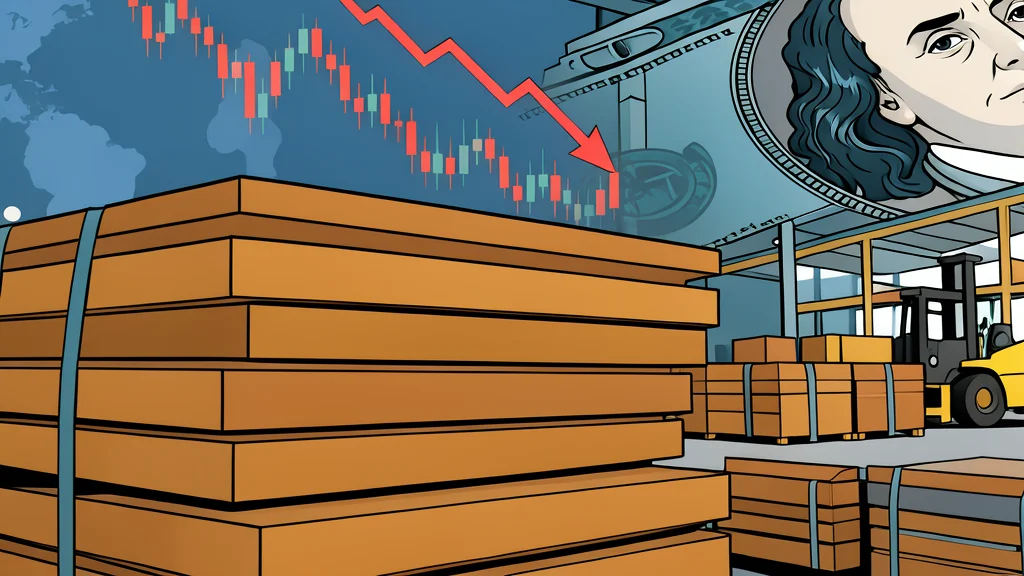
Silver prices declined for the second consecutive day, trading near $63.20 per troy ounce. This drop reflects rising US Treasury yields and heightened inflation concerns.
Silver (XAG/USD) fell to approximately $63.20 per troy ounce during Asian trading hours on Tuesday. This marks the second straight day of losses for the metal. The decline coincides with a sharp rise in US bond yields and increased expectations for Federal Reserve interest rate hikes.
Market data from the CME FedWatch tool shows the probability of a rate hike surged past 92%. This figure jumped from roughly 60% just one week earlier. The shift follows August CPI data that revealed core inflation recorded its largest gain in four months.
Yields Pressure Non-Yielding Assets
US 10-year Treasury yields approached the 5% threshold. This increase places direct downward pressure on precious metals that do not generate income. Silver is particularly sensitive to these interest rate changes. Higher yields increase the opportunity cost of holding physical bullion.
Elevated oil prices have intensified inflation worries for policymakers. Energy costs feed directly into the consumer price index. This dynamic forces the Fed to consider tighter monetary policy. Consequently, the US Dollar has strengthened, further weighing on dollar-denominated silver prices.
Systematic Funds Show Modest Long Bias
TD Securities reports that trend-following funds currently hold only a modest long position in silver. Their CTA tracker indicates limited exposure compared to previous periods. This positioning leaves room for adjustment if price action deteriorates. Systematic flows could vary significantly depending on future market trends.
The bank differentiates between scenarios of sharp declines, moderate drifts, and sideways trading. Each scenario triggers different algorithmic responses from these funds. A sharp selloff would likely force further liquidation of long positions. A stable market might see these funds remain neutral or slightly bullish.
Industrial Demand Supports Long-Term Value
Silver serves critical roles in electronics and solar energy production. It possesses the highest electrical conductivity of all metals. Industrial demand remains a key structural support for the price. However, short-term moves are dominated by macroeconomic factors like interest rates.
Investors often use silver as a hedge against inflation. Its price typically correlates with gold, though with higher volatility. The gold-silver ratio helps traders gauge relative value. According to GN auto markets/commodities: silver prices, the current environment remains challenging for the metal due to persistent yield pressures.