Beyer Blocks Crypto Tax Bill over Trump Ties
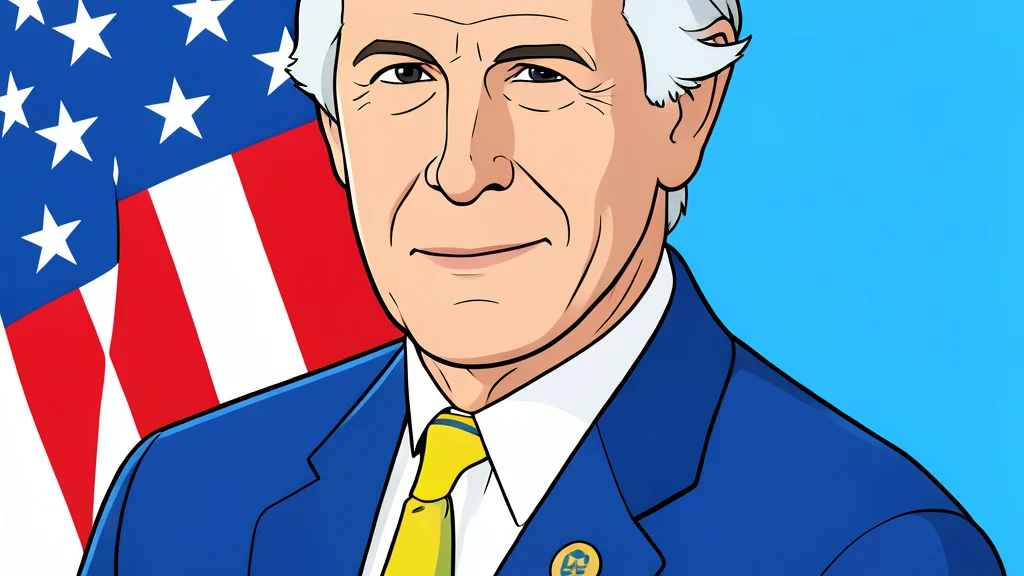
Rep. Don Beyer voted against the Digital Asset Tax Certainty Act, citing conflicts of interest involving the President and the broader risk of fraud in the digital asset sector.
U.S. Representative Don Beyer cast the deciding vote against the Digital Asset Tax Certainty Act. He cited President Donald Trump's financial interests in the cryptocurrency industry as a primary obstacle. The House Ways and Means Committee had previously approved the measure by a 38-5 margin. Beyer stated that corruption concerns must be resolved before the legislation proceeds. He argued that the bill cannot be evaluated in isolation from these broader systemic risks.
The proposed legislation seeks to update federal tax rules for digital assets. It addresses specific areas including mining, staking, and wash sales. The bill also establishes a voluntary disclosure program for taxpayers. It aims to align digital asset taxation with traditional financial instruments. Supporters argue the measure reduces compliance burdens for businesses and individuals.
Conflict of Interest Allegations
Beyer highlighted specific ventures involving the President and his family. These include World Liberty Financial and a Trump-branded meme coin. He alleged these holdings create a direct conflict of interest. Beyer claimed the industry has been used to influence presidential decisions. He stated that private financial gains are taking precedence over public duty.
The representative criticized the administration's regulatory approach. He argued that consumer protections have been weakened. Enforcement efforts against illicit finance have also declined. Beyer contended that these actions benefit the President's private interests. He stated that these issues require immediate attention before new tax laws are enacted.
Legislative Improvements and Criticisms
Beyer acknowledged that the bill improved during negotiations. He noted specific changes to limit tax avoidance in U.S. territories. He pointed to restrictions on the use of Puerto Rico for such purposes. Despite these technical improvements, he maintained his opposition. He stated that the core issues of fraud and corruption remain unaddressed.
The representative argued that promises of financial inclusion have not materialized. He cited ongoing issues with illicit finance and fraud. He stated that the industry has failed to deliver on transparency goals. Beyer insisted that these fundamental problems must be solved first. He believes proceeding with the bill would embed unresolved risks into the economic system.
Next Steps in Congress
The Digital Asset Tax Certainty Act now moves to the full House. It awaits potential consideration for a floor vote. Supporters continue to argue for clearer tax rules. They emphasize the need for consistency with traditional assets. The bill remains a focal point for digital asset policy debates.
Digital asset regulation continues to divide lawmakers. Beyer's stance highlights the political sensitivity of the topic. He remains a key figure in the Joint Economic Committee. His position reflects broader concerns about industry integrity. The outcome of the full House vote will determine the bill's future.