Korea Ruling Party Proposes Delaying Crypto Tax to 2028
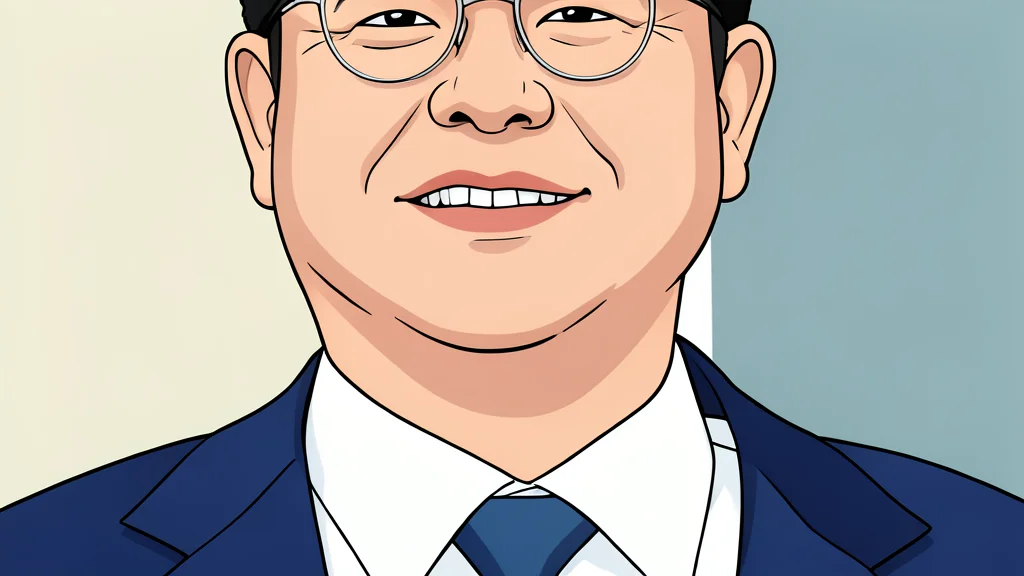
Democratic Party officials urge a one-year delay to virtual asset taxation. The move aims to resolve data exchange gaps with the OECD CARF system.
Key points
- The Democratic Party proposes delaying virtual asset taxation to align with OECD CARF data exchange start in 2027.
- Current rules lack loss carryover deductions, forcing investors to pay tax on profits despite prior year losses.
- Min Byung-duk argues that delaying tax collection prevents investors from moving to foreign exchanges to avoid unfair burdens.
The Democratic Party proposes delaying South Korea's virtual asset tax by one year. This shift responds to growing investor opposition and technical readiness concerns. The current schedule targets January 2027 for full implementation.
Min Byung-duk, senior vice chairman of the policy committee, leads this push. He argues that fair collection mechanisms are not yet in place. The party seeks to postpone the start date to ensure equitable enforcement.
CARF data exchange delays tax fairness
The OECD’s Common Reporting Framework begins data exchange in 2027. This timing creates a gap in capturing overseas transaction details. Domestic users would face taxes before foreign data becomes available.
Min notes that only domestic exchange income is currently visible to authorities. Investors might migrate to foreign platforms to avoid this disparity. Such migration would reduce corporate and value-added tax revenue.
Loss carryover rules remain problematic
The current draft lacks a provision for loss carryover deductions. An investor losing ten million won in one year pays tax on the next year’s equal profit. This results in a 1.65 million won tax bill despite zero net gain.
Min advocates for a five-year loss carryover period. This change would align virtual asset taxation with standard equity market rules. It prevents penalizing investors who experience temporary market downturns.
Political pressure reshapes fiscal timeline
The Digital Asset Basic Act must pass before taxation begins. Min insists that a solid legal foundation is a prerequisite. The party views this delay as a correction, not an evasion.
Reports from mk.co.kr highlight the urgency of this policy debate. The ruling party aims to balance revenue needs with investor fairness. The final decision could significantly alter South Korea’s crypto regulatory landscape.