People's Power Calls for Review of Crypto Tax Rules
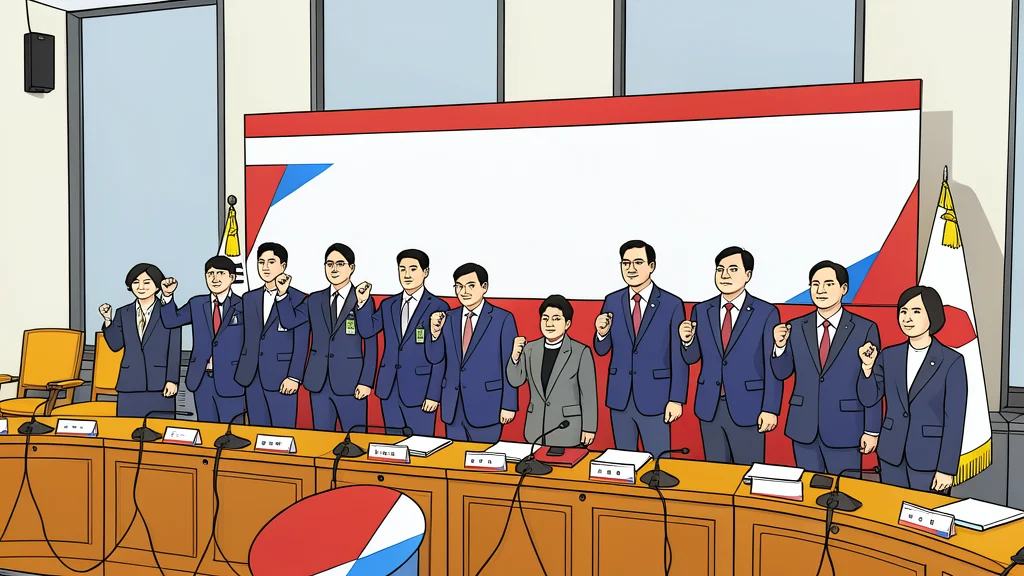
South Korea's ruling party seeks to halt the January 1 implementation of virtual asset taxation citing fairness concerns.
Key points
- The People's Power party will review the timing and scope of South Korea's crypto tax.
- Policymakers cite unfairness compared to stocks and difficulties tracking overseas wallet costs.
- The ruling party argues the current rules place an excessive burden on young investors.
South Korea’s ruling party announced it will review the virtual asset tax system before its January 1 start. This move occurs three months prior to the scheduled implementation date for new investment income rules.
The People’s Power argues that taxing only crypto assets is unfair after abolishing financial investment income tax. They claim the current plan imposes a heavy burden on young investors who rely on digital assets for wealth accumulation.
Equity issues drive the policy shift
Floor leader Chung Je-sik stated that taxing coins while exempting stocks violates asset equity principles. He emphasized that the government must ensure consistent treatment across different investment classes to maintain public trust.
The party highlighted the lack of clear standards for calculating acquisition costs on overseas exchanges. This gap creates significant administrative difficulties for tax authorities and individual investors alike.
Technical gaps in new transaction types
Staking and decentralized finance transactions lack defined tax criteria in the current framework. Officials note that these emerging models require specific rules to determine taxable income accurately.
Representatives from five major exchanges met with policymakers to discuss these operational challenges. The joint consultative body stressed the need for predictable standards before the system goes live.
Political pressure on young investors
Chung warned that rushing the tax implementation ignores the economic reality of young adults. He noted that many cannot afford housing with earned income alone and depend on crypto gains.
The party intends to examine whether the institutional foundation for the industry is ready. They demand fair, predictable rules rather than a rigid adherence to the original calendar.