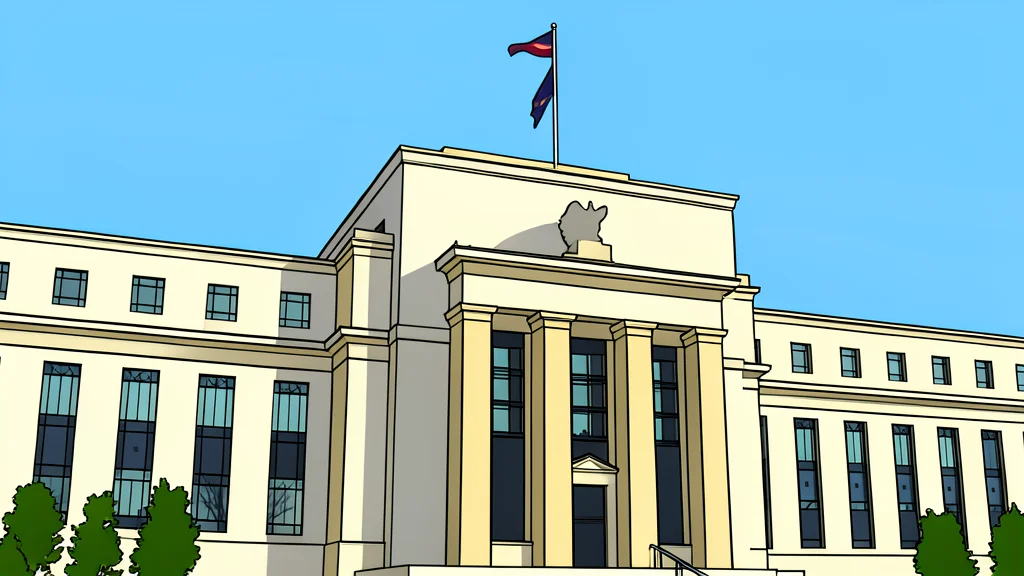
SEC Greenlights Tokenized US Stocks After Regulatory Stalemate

The SEC has signaled approval for tokenized U.S. equities, a direct response to the stalled CLARITY Act. This move bridges traditional finance with digital assets.
The U.S. Securities and Exchange Commission has opened the regulatory path for tokenized American stocks. This decision follows the failure of the CLARITY Act to pass in Congress. It marks a significant shift in how digital assets interact with traditional equity markets.
According to CoinDesk, this development resolves a long-standing ambiguity regarding the status of security tokens. The agency previously treated most tokenized assets with high scrutiny. Now, specific frameworks allow for the listing of digital representations of listed U.S. equities.
Regulatory Shift After Bill Failure
The CLARITY Act aimed to define the boundaries between cryptocurrencies and securities. Its rejection left a vacuum in the legal landscape. The SEC now fills this gap by explicitly permitting tokenized stocks under existing securities laws.
This action removes a major barrier for institutional investors. It allows for fractional ownership and 24/7 trading of major U.S. companies. The market sees this as a neutralization of regulatory risk for digital asset funds.
Market Impact on Digital Assets
Bitcoin traded at $81,281.97 during this period. Ethereum stood at $2,621.61. These figures reflect a broader risk-on sentiment following the regulatory news. The CD20 index rose 5.54 percent in the same session.
The approval validates the utility of blockchain technology in finance. It connects the $49 billion in benchmarked digital assets with traditional equity data. Traders now have a clearer route to diversify portfolios using both asset classes.
Institutional Adoption Accelerates
Institutional players can now integrate tokenized stocks into existing custodial structures. This reduces the need for separate legal entities for digital holdings. The process simplifies compliance for global asset managers.
The move also pressures non-U.S. regulators to clarify their own stances. It sets a precedent that digital wrappers do not change the underlying security status. This clarity is essential for the next phase of market growth.