U.S. Gas Prices Near Annual Peak as Brent Approaches $105
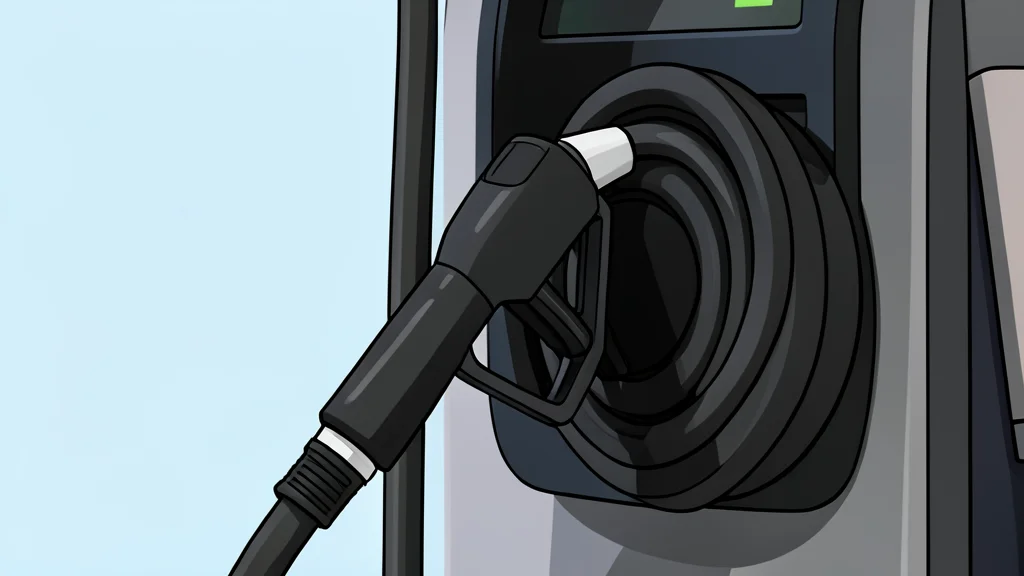
The national average for gasoline rose to $4.46 per gallon, placing it within 10 cents of this year's record high.
The national average price for gasoline in the United States reached $4.46 per gallon on Friday. This figure marks a 3-cent increase from the previous day. It sits just 10 cents below the annual peak of $4.56 recorded on May 21. The current price is also 55 cents lower than the all-time high of $5.01 set in June 2022.
Six states currently report average pump prices exceeding $5 per gallon. California leads the nation with an average of $6.11. Michigan, Utah, and Illinois are also approaching the $5 threshold. These regional spikes reflect the broader national trend of rising fuel costs.
Diesel Costs Hit New Records
Diesel prices have set new daily highs since breaching the $6 mark on September 11. The national average for diesel stood at $6.44 per gallon on Friday. This represents a 71 percent increase since the start of the Iran conflict. The surge in diesel costs directly impacts the logistics of moving goods to retail stores.
Shipping company CMA CGM announced a new emergency fuel surcharge on Friday. The firm cited the escalation in the Strait of Hormuz and Bab el-Mandeb as primary drivers. These routes are critical for global trade and rely heavily on diesel fuel. Higher wholesale transport costs are expected to pass through to consumer prices.
Oil Markets Approach Critical Levels
Brent crude oil traded near $105 per barrel on Friday morning. U.S. crude oil prices remained just above $103 per barrel. These levels align with recent warnings from major financial institutions. HSBC analysts noted that Brent could reach $120 if Strait of Hormuz flows remain restricted.
Goldman Sachs raised its Brent forecast to over $120 per barrel in September. Bank of America suggested prices could spike to $150 in the event of major infrastructure damage. Current market prices are closing the gap with these high-end projections. Analysts link these movements to the prolonged conflict in the region.
Strait of Hormuz Remains Disrupted
Traffic through the Strait of Hormuz has not returned to prewar levels. Daily transits have fallen to a fraction of previous totals. Insurance costs for tankers navigating the waterway have soared. Military activity by both Iranian and U.S. forces continues to impact operations. The conflict has now entered its seventh month without a clear resolution.
Iran has attacked oil tankers in the region repeatedly. These incidents have further complicated shipping logistics. The disruption persists despite diplomatic efforts. Market participants monitor the situation closely for any changes in supply flows. The stability of global energy prices depends on the status of these critical waterways.