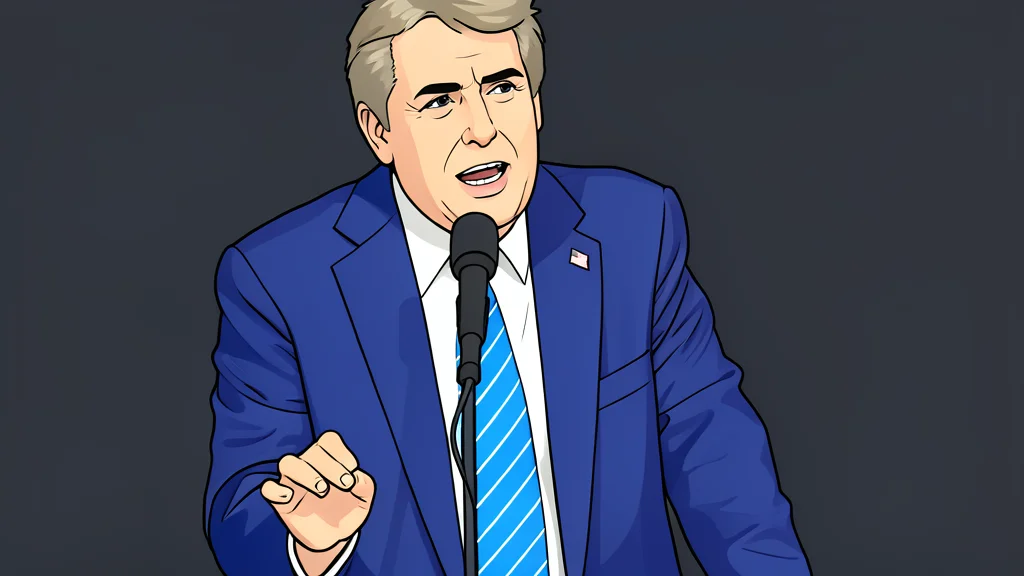
Trump Backs State Enforcement Role in Crypto Bill

The president reportedly approved 80% of a key ethics provision in the pending cryptocurrency legislation.
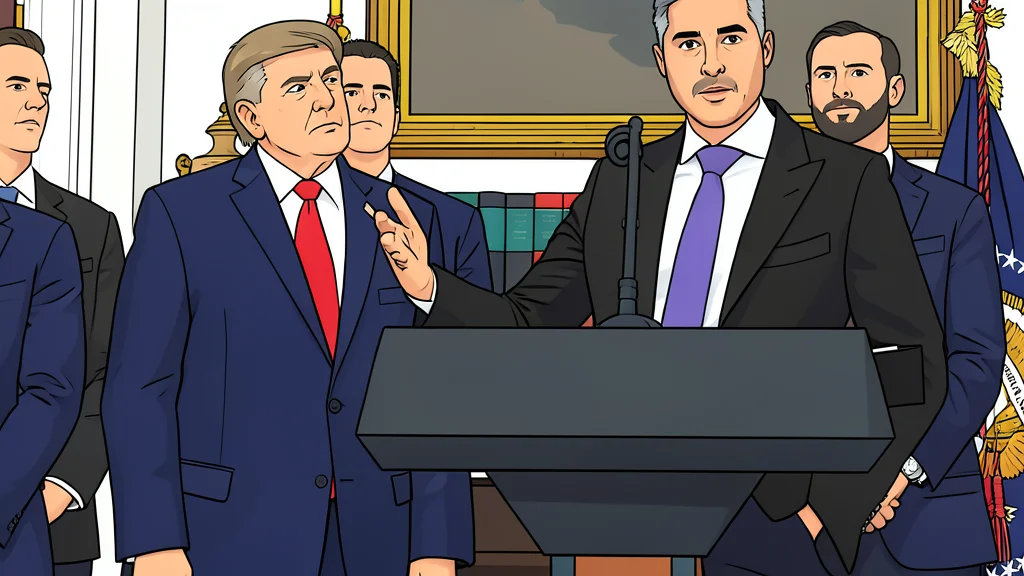
US President Donald Trump reportedly agreed to approximately 80 percent of a proposed ethics provision within the pending cryptocurrency bill. This approval allows state attorneys general to sue crypto exchanges that list blocked digital assets. The move responds to concerns about conflicts of interest involving federal officials.
Three Republican senators who authored the bill confirmed the development to the Associated Press. The provision bans federal judges and elected officials, along with their spouses, from issuing digital assets. A coalition of Democrats and Senator Thom Tillis argued that existing language was insufficient to address specific conflict-of-interest issues.
State enforcement powers expanded
The new language authorizes state attorneys general to enforce the legislation alongside the Department of Justice. Senators Cynthia Lummis, Tim Scott, and John Boozman stated that state officials will play a meaningful role in enforcement. This shift expands the legal reach of the bill beyond federal agencies.
The bill is set for an update requiring officials to divest or place major financial interests in a blind trust. This requirement targets any significant stake in a crypto-issuing entity. The change aims to eliminate direct financial conflicts for public servants.
Bipartisan negotiations continue
Patrick Witt, the White House crypto adviser, noted that the administration has been responsive to Democratic policy objectives. He emphasized that the bill is bipartisan and ready for passage. This statement follows more than a year of negotiations on the Clarity Act.
Political concerns remain
The White House privately flagged concerns about authorizing state attorneys general for enforcement. Democratic state lawyers could potentially use the law against the president and Republican officials. Conversely, Republican attorneys general might use it against elected Democrats. Two individuals aware of the discussions revealed these internal debates.