Trump Concedes to Ethics Rules for Crypto Bill
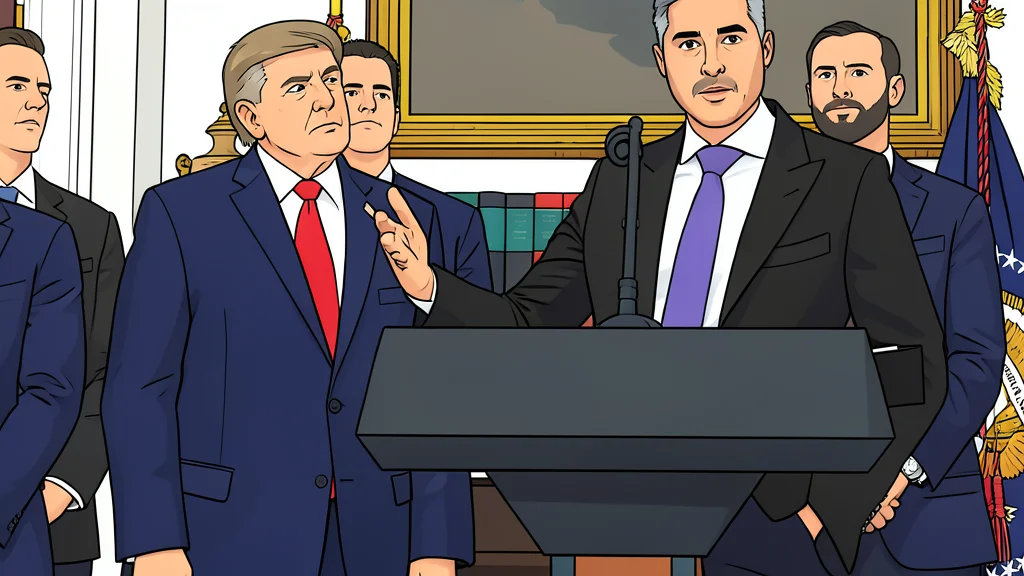
President Trump agreed to strict ethics provisions to secure Senate passage of the Clarity Act. The decision follows intense lobbying by key senators.
President Donald Trump accepted new ethics restrictions to secure the passage of the Senate cryptocurrency bill. This move follows weeks of pressure from lawmakers who demanded conflict-of-interest safeguards. The concessions include bans on issuing digital assets and requirements for blind trusts.
A pivotal vote is scheduled for Tuesday on the Clarity Act. This legislation aims to bring the $2.3 trillion crypto market under federal regulation. Success depends on whether these new rules satisfy both Democratic and Republican senators.
Specific bans on digital asset issuance
The first concession bars President Trump and his wife from issuing meme coins. This rule targets tokens launched during the transition to his second term. It extends to all federally elected officials and their spouses.
Senator Cynthia Lummis and Senator Bernie Moreno presented this initial proposal in mid-July. They met with the White House to secure Democratic support. The agreement was reached with minimal resistance from the administration.
Blind trust requirements for presidential holdings
A second proposal requires the president to place crypto holdings in a blind trust. It mandates divestment if those holdings reach a specific value threshold. This addresses concerns over financial conflicts of interest.
The proposal also grants state attorneys general enforcement powers. This allows them to act alongside the Department of Justice. Democrats view this as a necessary check on federal enforcement.
Financial stakes and enforcement challenges
Trump reported over $500 million in revenue from World Liberty Financial. This venture was launched by his sons in 2024. The total crypto business revenue exceeded $1.4 billion last year.
White House officials initially opposed state-level enforcement. They feared political weaponization by Democratic state lawyers. According to GN markets/crypto (en-US), this remains a point of contention. The final language must balance these concerns with industry demands.