Robinhood CEO Rejects Issuer Veto over Tokenized Stocks

Vlad Tenev argues that issuers lack the right to block separate instruments backed by their shares.
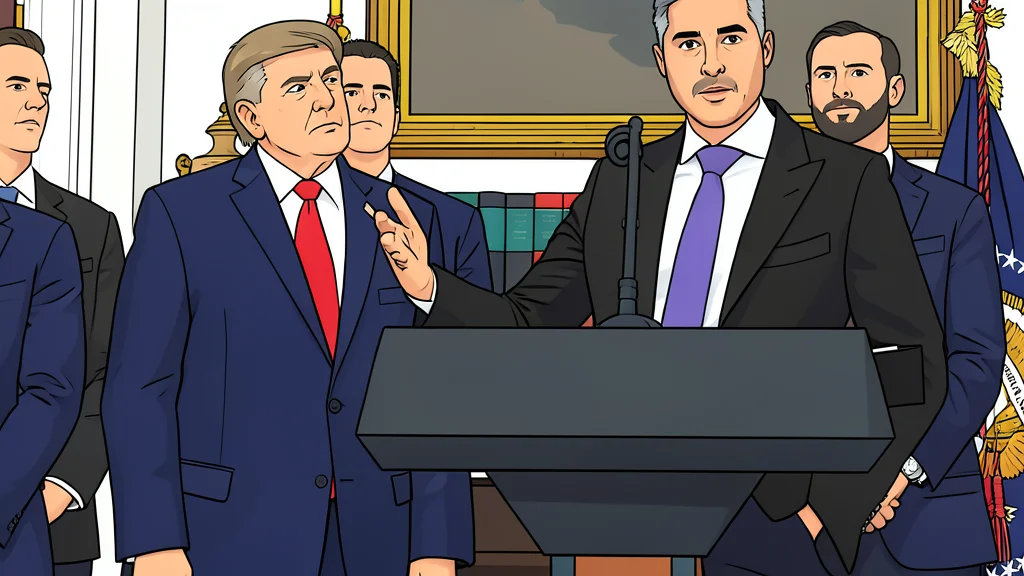
Robinhood CEO Vlad Tenev stated that issuers do not hold veto power over tokenized stock products. The statement clarifies the boundary between shareholder rights and new financial instruments. Tenev asserted that going onchain does not grant issuers control they never possessed offchain. This position responds directly to recent criticism from other executives. The company maintains that its products do not alter corporate obligations.
Tenev outlined a clear condition for issuer involvement. Consent is required if a product changes shareholder rights or creates new obligations. It is also required if the product affects the company's official stock ledger. If a tokenized product creates a separate instrument, consent is not needed. This instrument must hold or reference freely transferable shares. It must not change the issuer's rights or shareholder record.
Third-party structure isolates equity exposure
Robinhood Stock Tokens use a third-party structure. The instruments are issued separately from the underlying shares. They are backed one-for-one by the underlying assets. The products provide economic exposure to stocks and exchange-traded funds. They do not change the issuer's capitalization table. The rights attached to the original shares remain intact.
AMC CEO challenges tokenized stock offerings
AMC Entertainment CEO Adam Aron criticized Robinhood's tokenized offerings on September 4. Aron stated that AMC has no affiliation with the products. He announced that the company would ask securities counsel to review them. Tenev's comments followed this public dispute. The exchange highlights a growing tension in the market. Issuers are questioning their role in these new financial structures.
Market reaction to regulatory boundaries
Cointelegraph reported on the dispute regarding issuer consent. The debate centers on the definition of a separate financial instrument. Analysts note that this distinction is critical for legal compliance. The Robinhood chain aims to generate 160 million dollars in annual fees by 2028. This projection underscores the financial stakes of the legal question. The outcome will shape future tokenized equity markets.