China Trade Surplus Hits $1 Trillion on Structural Shifts
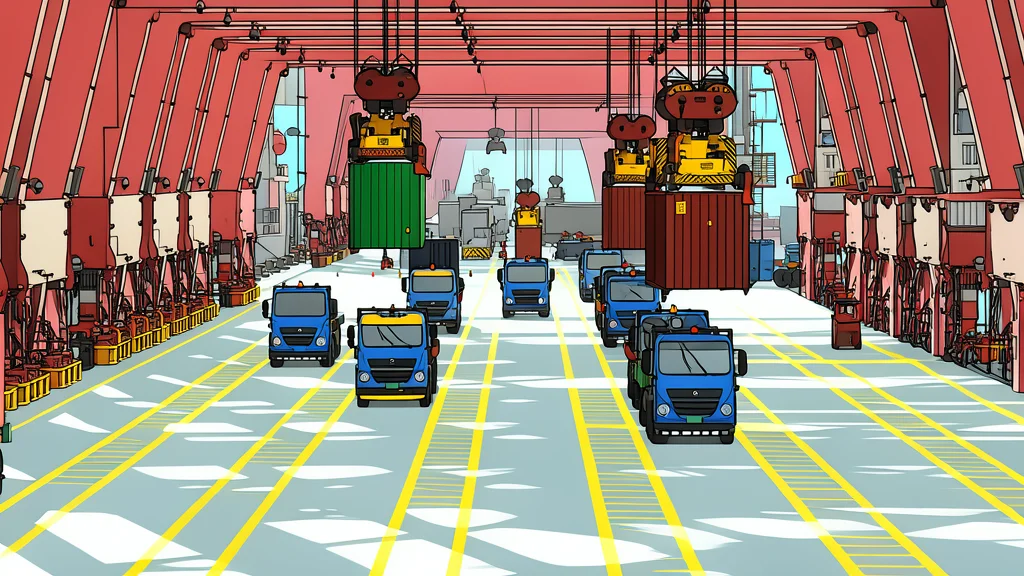
China's trade surplus exceeded one trillion dollars in 2025, driven by manufacturing strength and import substitution rather than subsidies or currency manipulation, according to economists at a Beijing forum.
China's trade surplus surpassed the one trillion dollar mark in 2025. The figure continues to rise as global supply chains restructure. Economists attribute this growth to structural factors rather than policy distortions. Weak domestic demand and enhanced manufacturing capabilities are primary drivers. China now produces advanced equipment that it previously imported. This shift generates significant economies of scale for domestic producers.
Wang Tao, a senior research advisor at UBS Investment Bank, presented these findings at the 2026 Tsinghua PBCSF Chief Economists Forum. She noted that import substitution plays a critical role in the surplus. Some developing nations now source products from China instead of Europe. Chinese companies are extending their supply chains into Asia and broader global markets. This expansion accounts for a growing share of the overall trade surplus.
Global imbalances require collective action
Robin Xing, chief China economist at Morgan Stanley, argued that focusing solely on China is one-sided. He identified path dependence in macroeconomic policies as a contributing factor. Technological revolutions also amplify economic disparities. Geopolitical challenges further complicate the landscape. Addressing these imbalances requires a coordinated global effort. No single nation can resolve these structural issues in isolation.
Ju Jiandong, chair professor at Tsinghua University PBC School of Finance, stated that imbalances arise from the international division of labor. China's manufacturing sector serves the global market, not just domestic consumers. The US and Europe view manufacturing pressure through a national security lens. Theoretical models suggest the division of labor itself is not inherently flawed. The current tension stems from differing national perspectives on industrial capacity.
Productive capacity supports global development
Yao Yang, dean at Shanghai University of Finance and Economics, rejected the notion of excess capacity in China. He highlighted that 80 percent of the world's population still faces difficult economic conditions. These regions require continued economic growth to improve living standards. China's current export products are closely linked to the global climate change effort. Providing this capacity is essential for meeting developmental needs worldwide.
The data from GN auto markets/forex: exchange rate confirms the scale of these trade flows. The shift in trade patterns reflects broader economic restructuring. Domestic production capabilities have expanded significantly. Import dependence on advanced equipment has decreased. The trade surplus is a result of competitive manufacturing and global demand. These factors drive the current economic trajectory in the region.