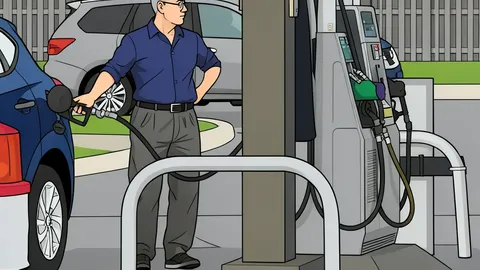
ECB Vice President Warns Against Over-Reliance on Energy Prices for Rate Hikes
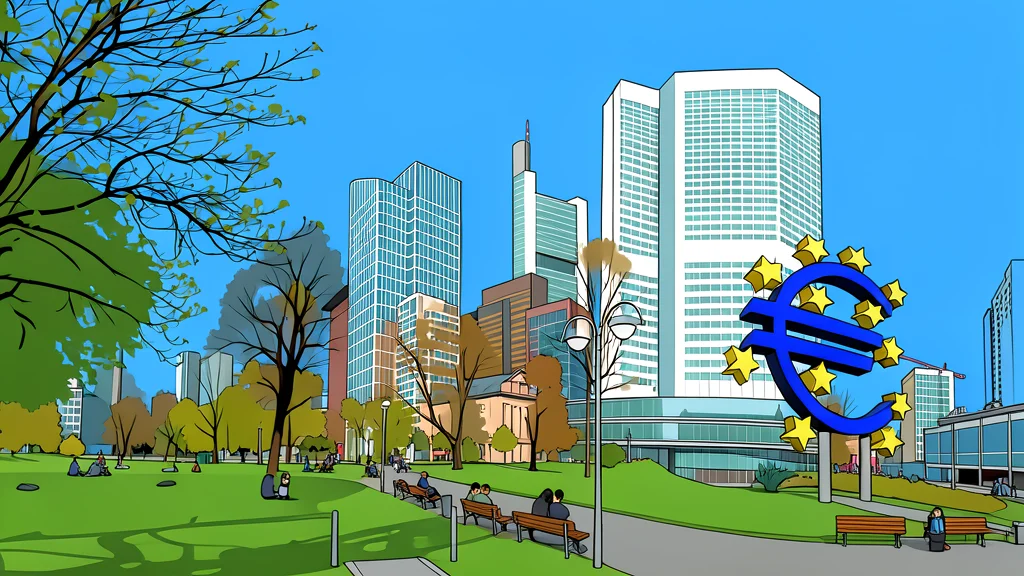
Boris Vujcic states that energy costs are only one factor among many in the ECB's monetary policy decision-making process.
Key points
- Boris Vujcic stated that energy prices are not the sole determinant of ECB monetary policy.
- The ECB raised rates to 2.50%, with markets expecting three or four more hikes by next year.
- High energy costs suppress growth by reducing household income and dampening public spending.
ECB Vice President Boris Vujcic stated that rising energy prices do not dictate the central bank's path for interest rates. He argued that policymakers must assess a broader range of economic indicators before making decisions.
Market expectations for further hikes have risen since the bank increased borrowing costs last week. The widening conflict in the Middle East has pushed fuel prices higher, but Vujcic warned against focusing solely on this factor.
Energy costs impact household spending and growth
Vujcic explained that persistently high energy prices suppress economic growth by reducing household income. This dampens public spending and can lower gross domestic product if inflation remains high into autumn.
A colder-than-usual winter could exacerbate this pressure by increasing the cost of home heating. However, the eurozone's reliance on natural gas has decreased over the past four years, reducing the immediate threat.
Policy pace remains justifiable for now
The ECB raised policy rates from 2% to 2.50% in two stages during June and September. Vujcic said this pace remains justifiable, though the bank will adjust policy according to coming conditions.
Money markets currently expect three or four more rate hikes until the end of next year. The next increase could occur in October, potentially bringing the deposit rate to 3.25% or 3.50%.
Reserve requirements serve as a liquidity tool
Vujcic identified minimum reserve requirements as a simple way to absorb excess liquidity in the banking system. This instrument costs less than imposing fees or returning to a complicated tiered interest rate system.
Bond yields have reached their highest levels since before the global financial crisis. These increases are driven by expectations of higher inflation, interest rates, and large financing needs from governments.