Creighton Economist Predicts 7% Mortgage Rates as Normal
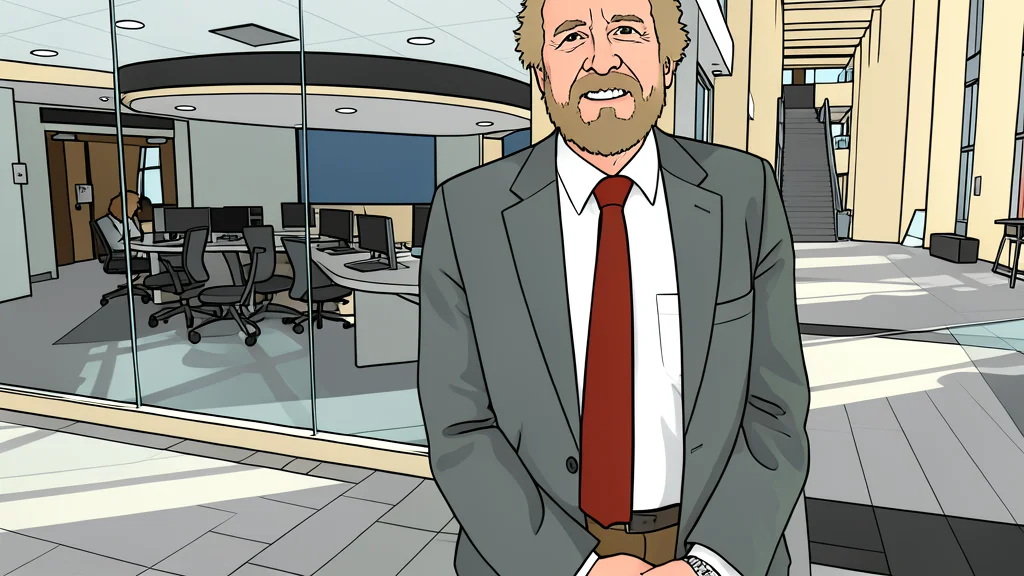
Ernie Goss states that the era of 2% to 3% mortgage rates has ended. The 50-year average of 7.7% is the new baseline for borrowers.
Key points
- The 50-year average mortgage rate is 7.7%, establishing the new normal baseline.
- Current rates near 7% reflect a return to historical norms after 15 years of lows.
- Farm foreclosures are rising but remain below the 1980s crisis levels.
Mortgage rates are settling near the 7% mark, a level Creighton economist Ernie Goss calls the new normal. The era of 2% to 3% borrowing costs is effectively over. This shift forces households to accept higher debt service costs immediately.
Goss told Radio Iowa that the fifteen-year period of artificially low rates has ended. The Federal Reserve cut rates to near zero in 2008 and again in 2020. Those emergency measures are now unwinding, bringing historical averages back into focus.
Historical context shapes current expectations
The 50-year average for home mortgages sits at 7.7%. Current rates at or just below 7% align with this long-term mean. Goss argues that recent low rates were statistical anomalies rather than a stable baseline.
Double-digit rates in the 1970s triggered the severe Farm Crisis of the 1980s. Adjustable rate mortgages saw payments climb to 24% during that period. Iowa averaged 500 public farm foreclosure auctions every month in 1983.
Agricultural sector avoids repeat crisis
Farm foreclosures are rising but not spiking like four decades ago. Goss notes that farmers currently maintain strong credit conditions. Banks also avoided over-lending, creating a buffer against severe distress.
The structural difference lies in the balance sheets of modern agricultural businesses. Producers have not over-borrowed relative to their asset values. This fiscal discipline prevents the systemic failure seen in the early 1980s.
Fiscal policy as a rate lever
Goss identifies meaningful cuts in federal spending as a path to lower rates. Paying down the national debt can reduce the demand for capital. This structural shift could ease pressure on borrowing costs.
Congress must act to alter the trajectory of interest rates. Without fiscal restraint, the current high-rate environment may persist. The economic stimulus measures of the last two decades are no longer active.