Energy Shock Lifts Eurozone Inflation Forecast to 4.4 Percent
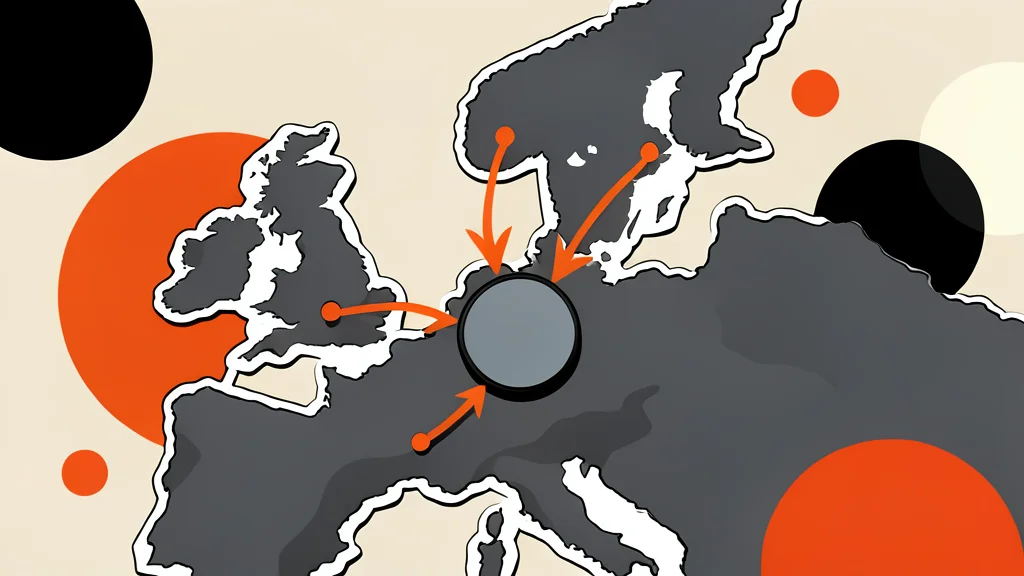
Rabobank raises its Eurozone inflation outlook by 0.5 percentage points due to higher oil and gas prices, projecting a peak of 4.4 percent in early 2027.
Rabobank raised its Eurozone inflation forecast by 0.5 percentage points for 2026 and 2027. The bank attributes this increase to sharply higher crude oil and natural gas prices. Strategists now expect headline inflation to peak at 4.4 percent year-on-year. This peak is projected for the first quarter of 2027.
The revision reflects significant changes in energy cost assumptions. Higher energy inputs are driving the bulk of the inflationary pressure. Core inflation is expected to rise by only 0.1 percentage points. This limited impact on core measures suggests that energy costs remain the primary driver of price increases.
Energy costs drive headline inflation
Rabobank analysts Bas van Geffen and Elwin de Groot detailed the impact of energy markets. They noted that revised oil and gas forecasts significantly alter the inflation path. The bank now projects an inflation rate of 3.1 percent for 2026. The forecast for 2027 stands at 3.5 percent.
Base effects are expected to reduce the inflationary impact after early 2027. The direct and indirect effects of higher energy prices are key factors. Supply chain pressures from geopolitical conflicts also contribute to the outlook. These elements combine to sustain higher price levels across the region.
ECB policy remains restrictive
Sluggish disinflation will keep monetary policy tight. The European Central Bank is expected to hold the deposit rate near 2.50 percent. This rate sits at the upper end of the neutral range. Rabobank does not anticipate rate cuts below this level before 2028.
Resilient economic activity through the fourth quarter poses risks. Employees may demand higher wages to offset purchasing power losses. This wage-price dynamic could further entrench inflation. The bank views this risk as non-negligible in its current model.
Wage pressures threaten stability
The potential for higher pay increases complicates the disinflation path. If energy inflation remains high, labor costs will rise. This feedback loop could sustain price pressures beyond the initial energy shock. The market must monitor these developments closely.
The outlook from GN auto markets/forex: eurozone inflation highlights the structural shift. Energy costs are no longer a transient factor. They are reshaping the medium-term inflation trajectory. Policymakers must account for this persistent upward pressure in their decisions.