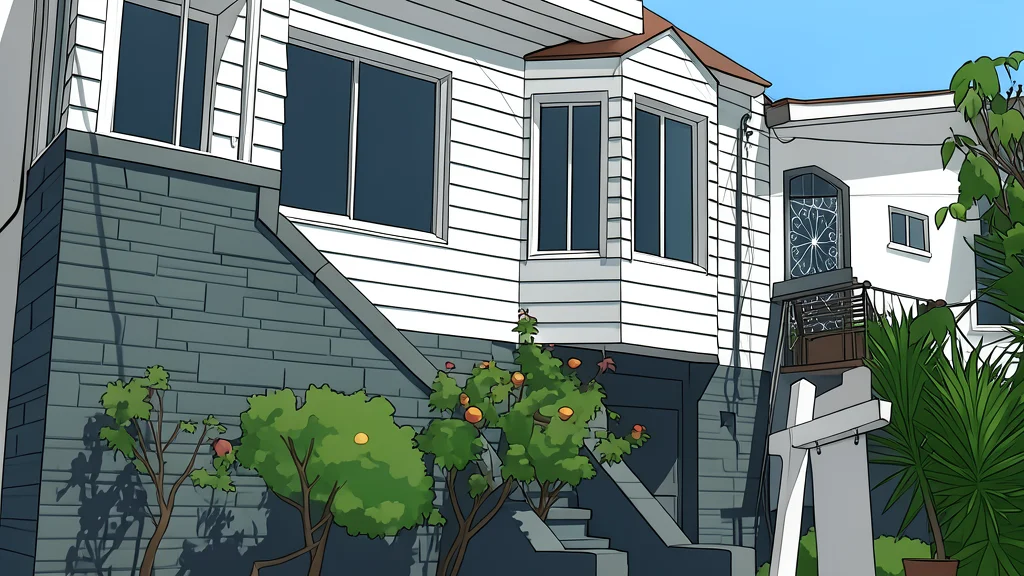
Sydney Housing Target Missed by 97 Percent
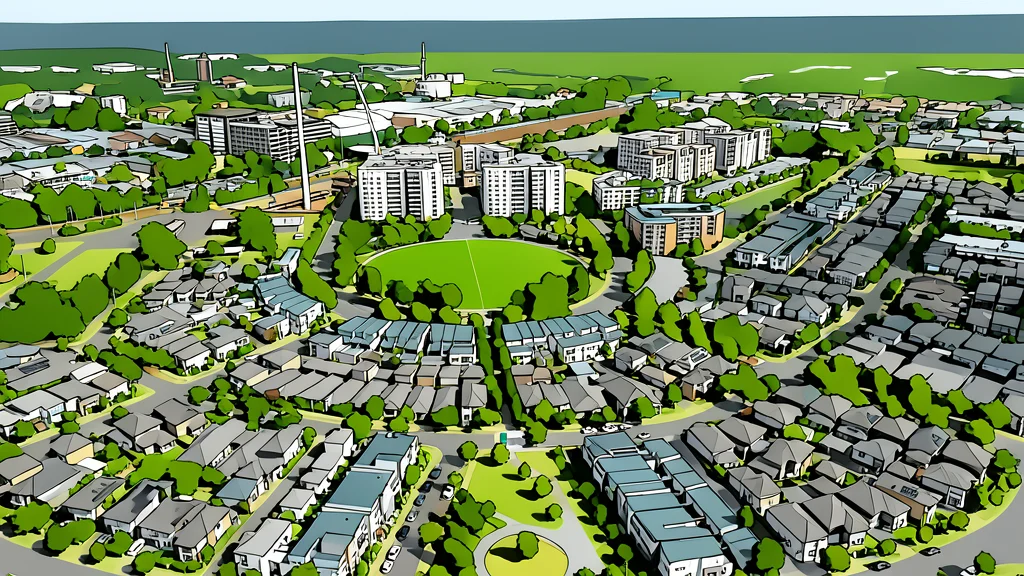
Only 3,333 homes have been approved under the new scheme. The state target for 2029 is 112,000 units.
Sydney has approved only 3,333 homes under its low- and mid-rise policy. This figure represents 3 percent of the 112,000 unit target set for July 2029. The government pledged to build 378,000 homes by mid-2029. Current approval rates indicate a significant gap in delivery.
The planning pathway is being used primarily for renovations rather than new construction. Approximately 86 percent of development applications involve standalone house upgrades. Only 10 percent of applications are for apartment buildings. This trend contradicts the policy goal of increasing dense housing supply.
Pipeline Data Shows Structural Deficit
The Department of Planning, Housing and Infrastructure reports a pipeline of 13,308 dwellings. Residential apartment buildings account for half of this total. The annual delivery requirement is 22,400 homes until mid-2029. The current pipeline covers less than one year of this requirement.
Analysis from GN auto markets/housing: housing policy highlights the disparity between promises and results. Data from the state planning portal confirms the shift away from multi-unit housing. Renovations and dual occupancies dominate the application volume. New apartment blocks remain a minority in the approved mix.
Renovations Dominate Application Volume
Professor Emeritus Peter Phibbs notes that the missing middle remains absent. The most common application is for renovating an existing detached house. This pattern is evident in affluent suburban areas. These locations previously struggled with apartment approvals.
Projects using the pathway often feature large apartment units. One unit per floor is a common design choice. This limits the feasibility of small apartment blocks in cheaper areas. The policy may not address housing supply in lower-income suburbs effectively.
Government Maintains Policy Is Working
Planning Minister Paul Scully states the policy is working as intended. He argues the reforms are driving housing diversity in well-located areas. The department claims the pipeline would not exist without the changes. Officials describe the policy as being in its early stages.
A departmental spokesman declined to say if the 112,000 target is impossible. The focus remains on introducing housing choice to the market. The stated purpose is to allow diverse home types to be built. Current data suggests a slow start to meeting the volume targets.