Fed Hike Expected as Trump Pressures for Cuts
Traders assign a 90% probability to a rate increase Wednesday. The move defies presidential demands for lower borrowing costs.
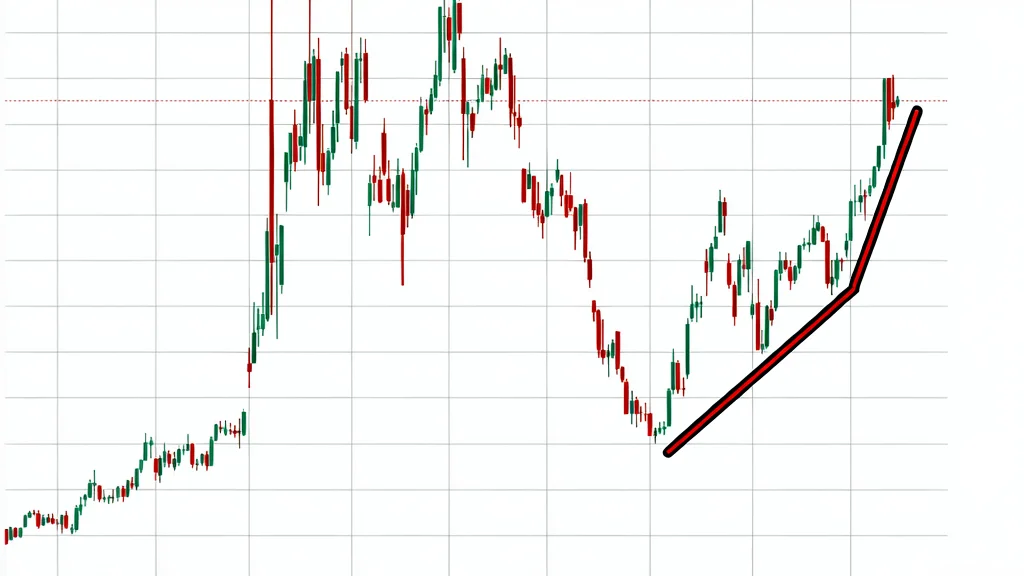
Traders price a 90% chance the Federal Reserve raises its benchmark rate on Wednesday. The current rate sits at roughly 3.6%. This would be the first increase in three years. The move directly opposes President Donald Trump’s calls for lower rates. The central bank aims to combat persistent inflation. Markets view the decision as a test of institutional independence.
Fed Chair Kevin Warsh signaled a hawkish stance at Jackson Hole. He stated that underlying inflation trends have not improved. Analysts from GN markets/inflation (en-US) note that core inflation rose in August. This data supports the case for tightening policy. The Fed had previously forecast rate cuts. Those projections have been reversed by recent economic data.
Political Pressure and Market Tension
Trump has demanded the Fed cut rates. He argues the US economy should command the lowest borrowing costs globally. His economic adviser Kevin Hassett expressed caution about hikes near elections. Hassett suggested the Fed should avoid political interference. Markets largely ignore these political signals. They focus on the data-driven mandate of the central bank.
The decision comes seven weeks before midterm elections. High prices are a key voter concern. The Fed’s independence is under scrutiny. Warsh’s predecessor faced personal attacks from the White House. The current administration claims to respect the Fed’s autonomy. Yet public statements continue to blur the line between policy and politics.
Inflation Drivers and Economic Risks
Surging investment in AI data centers adds to inflationary pressure. Higher energy costs from geopolitical conflicts further complicate the outlook. MIT economist Kristin Forbes notes increased price sensitivity among consumers. Businesses are raising prices faster in response to costs. The risk of persistent inflation outweighs the prospect of a quick decline.
Long-term interest rates remain sensitive to Fed actions. A failure to hike could spike Treasury yields. Markets reacted negatively when Warsh failed to commit to action in July. Credibility is the primary asset of the central bank. Inaction risks undermining that credibility. The Fed must balance growth concerns against price stability.
Committee Dynamics and Future Outlook
Some Fed members expect core inflation to fade naturally. They may view a hike as unnecessary. Warsh has not shared this optimistic view. He emphasizes the need for decisive action. The committee remains divided on the pace of easing. The Wednesday decision will set the tone for the next year.
The market expects a unanimous or near-unanimous vote for the increase. Dissenters may argue for a wait-and-see approach. The final statement will guide future policy expectations. Investors will watch for hints on the timing of next moves. The Fed’s path remains reactive to incoming data.