Fed Hikes Rates as Inflation Persists
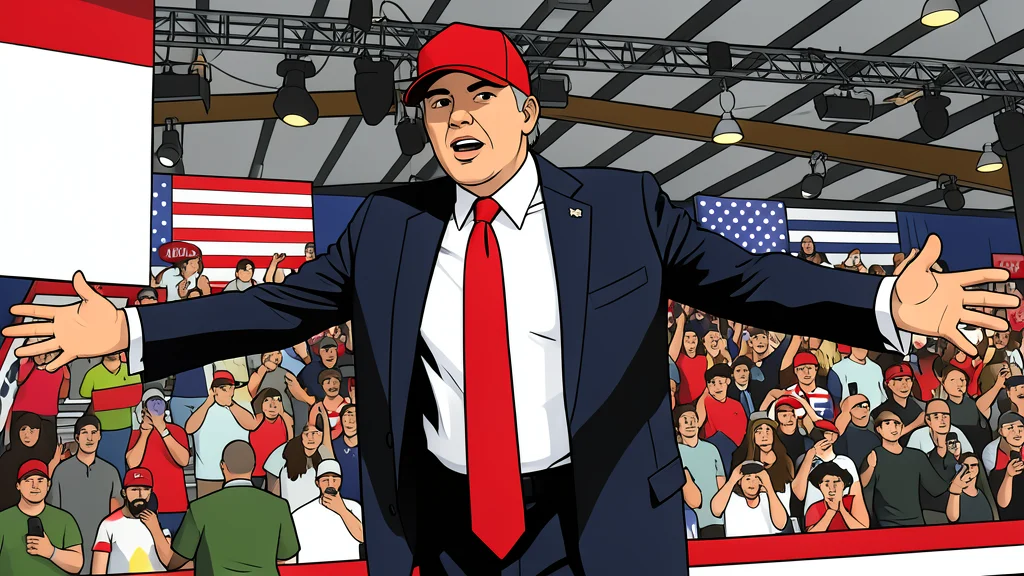
The Federal Reserve raised interest rates unanimously on Wednesday, a move that directly contradicts President Trump’s assertion that consumer prices are falling.
The Federal Reserve raised interest rates on Wednesday. The decision was unanimous among committee members. This move aims to curb inflation that has persisted for five years. President Donald Trump opposes the hike. He claims the economy is booming and prices are dropping. The new Fed Chair, Kevin Warsh, stated that underlying inflation trends have not improved. The next rate decision is scheduled for late October. This date falls just before the November election.
Warsh Rejects Low Inflation Narrative
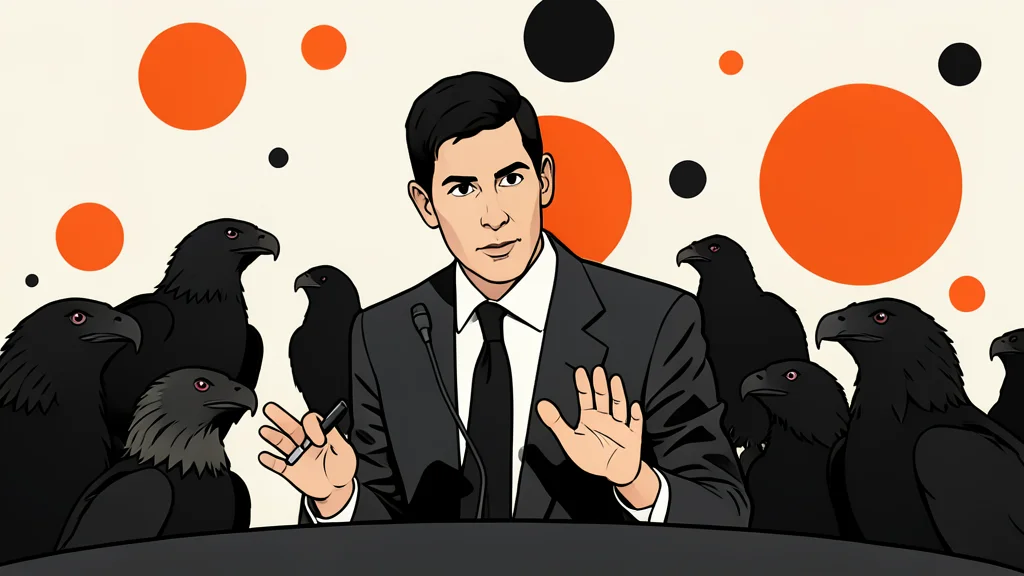
Kevin Warsh held a press conference on Wednesday. He said summer inflation data does not show meaningful improvement. He noted that high costs have hurt the country for five years. This stance breaks from the White House narrative. Trump told Republicans in Dallas that almost every item is getting cheaper. Warsh’s comments suggest the opposite. The Fed expects to raise rates again this year. The current policy remains at odds with the President’s views.
Political Pressure Meets Economic Reality
Trump complained about rate hikes during his first term. He also complained when rates were lowered before 2024. He previously considered firing Jerome Powell. He ultimately let Powell’s term expire. Warsh was nominated as the new chair. Trump described Warsh as a central casting choice. Warsh now acts independently of the President’s wishes. The Fed’s actions prioritize economic stability over political preference. This independence creates friction in the administration.
Rising Costs Hit Sectors Hard
Higher rates increase borrowing costs for consumers. Mortgage and auto loan rates may not fall immediately. Farmers face record diesel prices and high fertilizer costs. The USDA forecasts a reduction in farm income. John W. Diamond of the Baker Institute called the rate tool blunt. He noted it may slow housing and other weak sectors. It may barely affect strong sectors like AI investment. Vice President JD Vance asked voters for another chance. He acknowledged that economic conditions are not ideal. Democrats hold a clear advantage for the House race.