Fed Hikes Rates to 3.9% as Inflation Stays Above Target
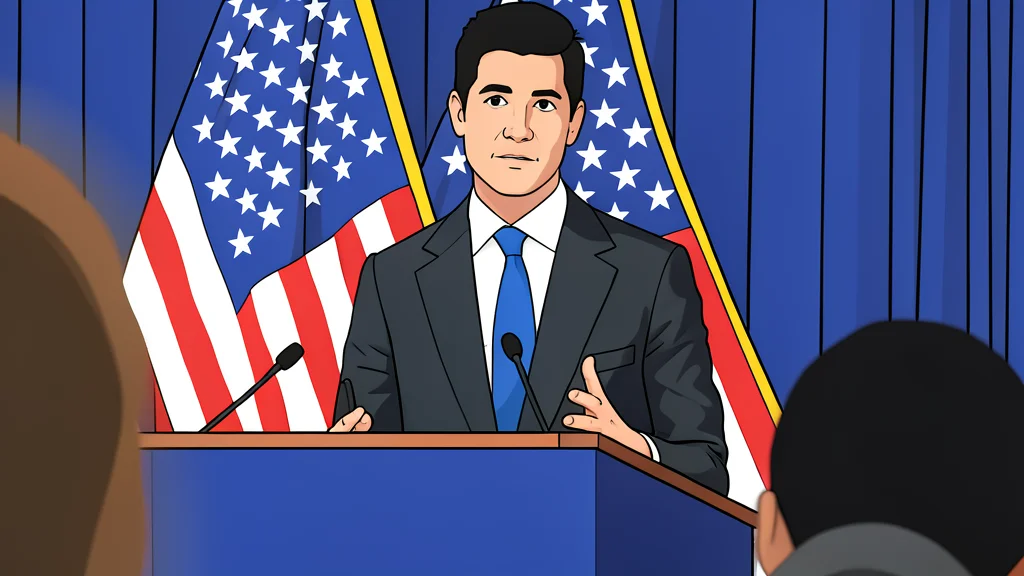
The Federal Reserve raised its benchmark rate by 25 basis points on Wednesday, marking the first increase in three years. This move defies recent political pressure for lower borrowing costs.
The Federal Reserve raised its benchmark interest rate by 0.25 percentage points on Wednesday. This is the first hike since 2023. The move lifts the key rate to approximately 3.9%. Chair Kevin Warsh stated that inflation remains stubbornly above the 2% target. He emphasized that the economy shows signs of gathering speed. The central bank signaled that a second hike to 4.1% is possible later this year. This decision defies demands from President Donald Trump for rate cuts. Warsh noted that he did not promise the president lower rates during his confirmation process. He affirmed his role as an independent actor.
Inflation Data Drives Policy Shift
Inflation was 3.7% in July, up from 2.3% in April 2025. Core inflation, which excludes food and energy, stood at 3.3% in July. This figure rose from 3.0% in the previous month. Warsh said the Federal Open Market Committee found the current trajectory unsatisfactory. He stated that underlying inflation is not moving toward the objective at sufficient speed. The Fed’s preferred measure shows a clear acceleration in price growth. This data contradicts the expectation of cooling prices. The central bank prioritized price stability over short-term growth concerns.
Geopolitical Tensions Fuel Cost Pressures
Renewed conflict between the United States and Iran has driven up gas prices. Average gasoline costs increased by more than 7% in one month. Warsh cited this global turmoil as a factor in the decision. He noted that other central banks are also responding to higher energy costs. The European Central Bank raised its key rate last week. The Bank of Japan is expected to hike rates on September 18. These moves reflect a broader global trend toward tighter monetary policy. Investors view these actions as a necessary response to persistent supply shocks.
Market Expectations Adjust to Hike
The yield on the 2-year Treasury rose to 4.74% from 4.67%. This increase signals that investors expect further rate hikes. Most economists predict the Fed will hold rates steady in late October. This pause is likely due to the proximity of midterm elections. However, Wall Street analysts see a December hike as a near certainty. Futures prices reflect this expectation. Higher borrowing costs will affect mortgages, auto loans, and credit cards. Affordability issues have become a leading topic in the upcoming elections. The Fed’s actions aim to stabilize prices despite these economic pressures.