Fed Hikes Rates to 4% Range as Inflation Hits 3.4%
The Federal Reserve increased its benchmark rate by 25 basis points on Wednesday, ending a pause that lasted since 2023. This move directly contradicts recent political pressure for lower borrowing costs.
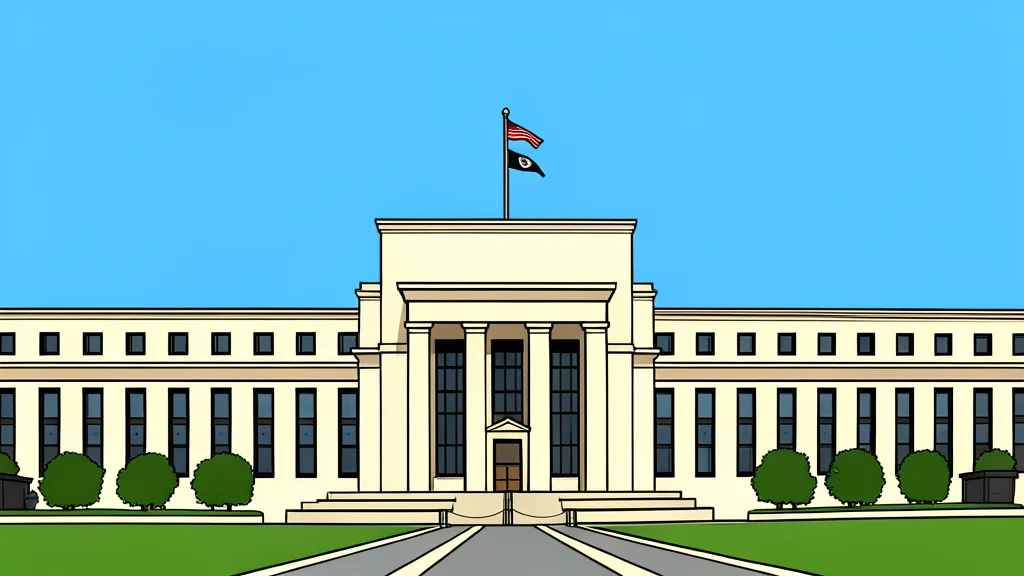
The Federal Reserve raised its benchmark interest rate by 0.25% on Wednesday. The new target range sits between 3.75% and 4.00%. This is the first increase in the central bank’s policy rate since 2023. The decision aims to curb inflation that accelerated last month. It defies years of requests from President Donald Trump for lower rates.
In early February, Trump stated that Kevin Warsh would not have received his nomination without a commitment to lower rates. Warsh has held the position for less than four months. The geopolitical situation shifted the policy stance. The U.S. and Israel started a conflict with Iran on February 28. This event altered the economic landscape for the Fed.
Energy Costs Drive Inflation
Oil prices surged more than 75% this year. Gas prices rose over 45% since the conflict began. These increases pushed inflation to 3.4% by August. This figure exceeds average U.S. wage growth of 3.1%. According to GN markets/policy (en-US), these price pressures forced the Fed’s hand.
Potential Start Of Hike Cycle
This single hike may signal a broader trend. Historically, central banks often follow one increase with several more. The Fed is now presiding over a regime of rising rates. This marks a sharp reversal from the previous easing bias. Investors should expect potential further tightening in the near term.
Political Tension Over Policy
The move highlights a direct clash with the White House. Trump previously linked Warsh’s nomination to a promise of rate cuts. The Fed prioritized price stability over political preferences. This decision reinforces the institution’s independence. It sets a precedent for future monetary policy debates.