Fed Lifts Rates to 4.00% as Inflation Persists
The Federal Reserve raised rates by 25 basis points to 4.00%, citing persistent inflation.
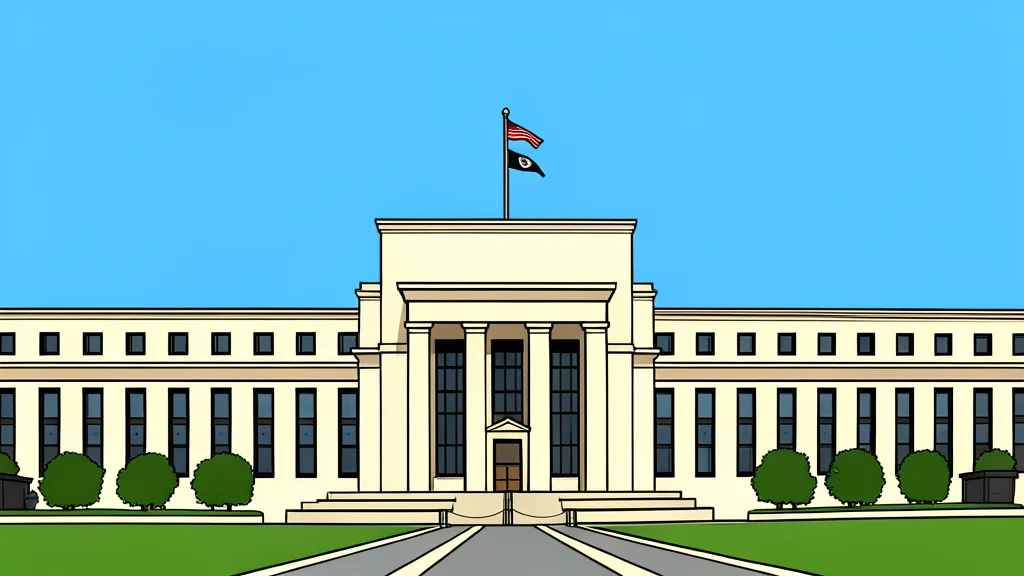
The Federal Reserve raised its key interest rate by 25 basis points on Wednesday. The new range is 3.75% to 4.00%. This is the first increase since 2023. The move defies President Donald Trump’s calls for rate cuts. Federal Reserve Chair Kevin Warsh stated that inflation remains too high. He noted the duration of this trend is unacceptable. The Federal Open Market Committee voted unanimously. Warsh described the decision as serious but necessary. The action aims to stabilize prices in the US economy.
The Fed expects at least one more hike by year-end. Most policymakers support this trajectory. Prices have surged due to multiple factors. These include the Iran conflict and tariff policies. The AI boom also contributes to cost pressures. US households and businesses face continued strain. Inflation data for August showed a 3.4% rate. This figure is double the Fed’s 2% target. Diane Swonk of KPMG said the Fed’s hand was forced. She argued price pressures are too persistent to ignore. The labor market remains strong enough to absorb tighter policy.
Political tensions rise over independence
President Trump reacted angrily to the rate hike. He labeled it a raise against him. He accused the Fed committee of political motives. He has attacked the Fed’s independence since taking office. He attempted to fire a Fed Governor. He also launched a criminal probe against Warsh’s predecessor. Trump’s Republican Party faces midterm elections. Democrats seek control of both houses of Congress. Economic issues are central to the voter debate. The Fed’s actions directly impact the political landscape.
Economic forecasts adjust upward
The Fed updated its economic projections. The PCE price index forecast rose to 3.7%. This is a 0.1 percentage point increase. GDP growth projections also rose to 2.3%. Warsh cited US economic resilience as a factor. He believes the economy can handle tighter conditions. The Fed had held rates steady since January. They waited to see the impact of energy shocks. They also monitored tariff effects on prices. The decision reflects a shift in policy stance.
Markets reflect uncertainty in yields
US stock markets had largely priced in the hike. Shares still fell on the news. Investors adjusted their portfolios accordingly. Yields on 10-year US Treasury bonds rose. They crossed the 5% threshold. This signals ongoing uncertainty about long-term inflation. The Fed’s dual mandate remains unchanged. It seeks maximum employment and price stability. Lower rates spur activity but fuel inflation. Higher rates cool both activity and prices. The balance remains a critical challenge for policymakers. As reported by GN markets/inflation, the situation demands careful monitoring.