Fed Official Cites Stubborn Inflation for 25 Basis Point Hike

Boston Fed President Susan Collins supported the rate hike due to persistent inflation and geopolitical supply shocks.
Key points
- The Federal Reserve increased its benchmark interest rate by 25 basis points to approximately 3.9%.
- Boston Fed President Susan Collins supported the hike due to persistent inflation and geopolitical energy shocks.
- Chicago Fed President Austan Goolsbee stated that reducing inflation may necessitate higher unemployment levels.
The Federal Reserve raised its benchmark rate by 25 basis points to 3.9%. This move followed a decision to combat persistent inflation that has defied the 2% target for five years.
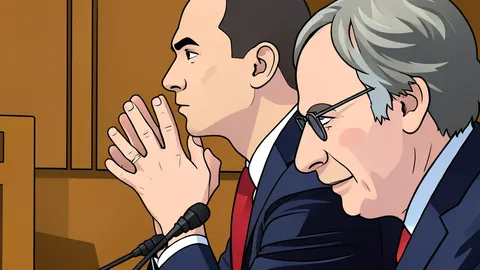
Susan Collins, president of the Boston Fed, supported the increase. She cited renewed Middle East conflict and solid labor markets as key drivers for the hawkish stance.
Geopolitical Conflict Drives Energy Costs
Collins noted that geopolitical developments have increased pressure on energy prices. She expects these factors to keep inflation above the Fed’s target for longer than anticipated.
Businesses in her district report rising operational costs. Many plan to pass these expenses to consumers, which could further elevate measured inflation in the coming months.
Labor Market Strength Supports Hikes
Improved hiring data suggests the economy can withstand higher borrowing costs. This resilience reduces the immediate risk of severe economic contraction from the rate increase.
Both Collins and Goolsbee noted that strong consumer spending contributes to inflationary pressure. The Fed aims to cool this demand to align with current supply constraints.
Officials Warn Of Economic Pain
Chicago Fed President Austan Goolsbee warned that taming inflation may require higher unemployment. He stated that persistent supply shocks leave the Fed little choice but to tighten policy.
This view contrasts with Chairman Kevin Warsh’s recent comments. Warsh asserted that the Fed does not need to harm the labor market to achieve its inflation goals.
InformNNY.com reported that these officials provided detailed context for the rate decision. Their remarks highlight the complex trade-offs the central bank faces in its current monetary policy.