Fed Official Warns Inflation Fight Will Hurt Jobs
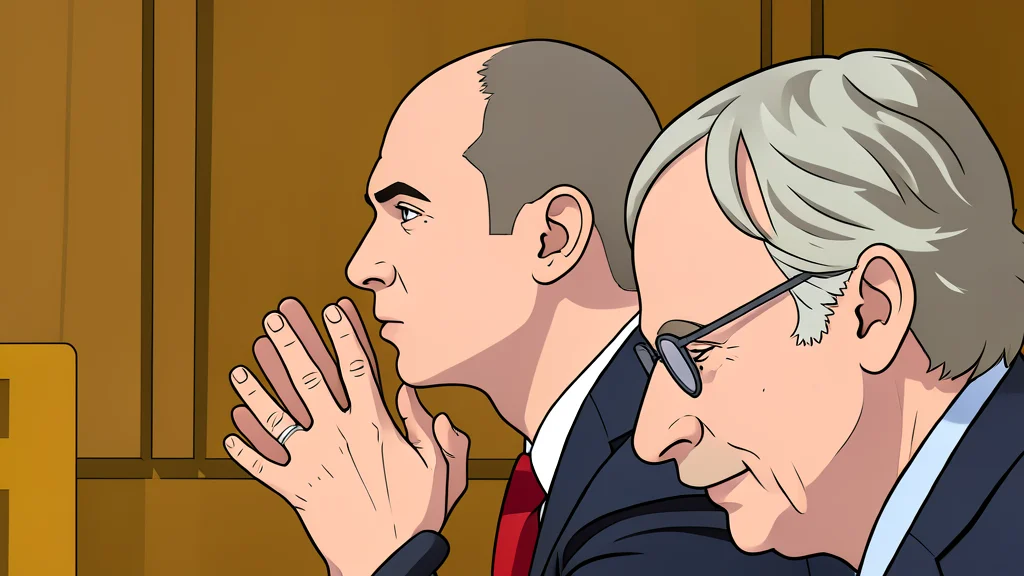
Chicago Fed chief Goolsbee predicts higher unemployment as the cost of taming supply-side inflation.
Key points
- Chicago Fed President Goolsbee said fighting inflation will push employment below target levels.
- Persistent supply shocks from oil and tariffs force the Fed to raise rates aggressively.
- Goolsbee warned that one more rate hike may be insufficient if demand-side inflation persists.
Chicago Fed President Austan Goolsbee stated that fighting inflation will require pushing employment below target levels. This assertion marks a sharp departure from the central bank's usual caution regarding labor market damage. He argued that persistent supply shocks leave the Fed with few options besides aggressive rate hikes.
The official’s remarks contradict Chairman Kevin Warsh’s recent claim that no labor harm is necessary. Warsh recently noted that the Fed lifted rates to about 3.9% without damaging jobs. Goolsbee, however, emphasized that current conditions force a difficult trade-off between price stability and employment.
Supply shocks drive policy urgency
Goolsbee identified rising oil prices and tariffs as primary drivers of current inflation. He explained that these factors reduce available supply in the economy. To restore balance, the Fed must lower consumer and business demand to match this reduced supply.
The Chicago Fed chief noted that the central bank typically waits for such shocks to fade. However, the current series of shocks is ongoing and persistent. This continuity necessitates immediate action to prevent inflation from becoming entrenched in the broader economy.
Rate hike expectations may rise
Policymakers currently forecast only one additional rate hike for the remainder of this year. Goolsbee suggested that this single move may be insufficient if demand-side factors dominate. He indicated that strong AI investment is also pushing up prices and adding to the pressure.
If evidence shows that demand is the primary inflation driver, more hikes are likely required. The official stated that forcing inflation back to the 2% target in the short run is the priority. This approach will inevitably result in a period of higher unemployment before stabilizing.
Market implications of the warning
This shift in tone highlights the risk of economic pain during the disinflation process. Investors must now price in the possibility of tighter monetary policy for longer. The divergence between the Chicago Fed and the Federal Reserve leadership adds complexity to market forecasts.
Data from notus.org and other sources will be critical in determining the mix of supply and demand shocks. The Fed’s next move will depend on how quickly these pressures subside. For now, the official stance is that short-term pain is the necessary price for long-term stability.