Fed Weighs Rate Hike Amid Inflation and Energy Costs
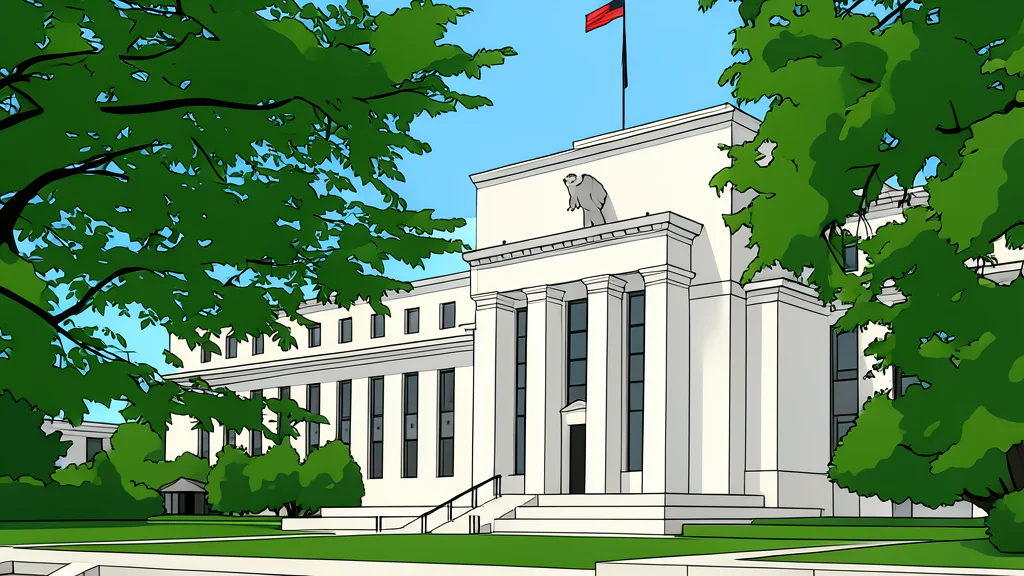
The Federal Reserve prepares to raise interest rates as consumer prices accelerate and energy costs surge.
Consumer inflation accelerated to 3.4% year-over-year in August. This figure drives the Federal Reserve’s current policy debate. The central bank faces pressure to raise interest rates. Rising energy costs are a primary factor in the price increase. Gasoline and diesel prices contributed significantly to the monthly jump. The market expects a move toward tighter monetary policy. The decision will impact borrowing costs for households and firms.
The Federal Open Market Committee announces its decision at 2 p.m. Wednesday. Chairman Kevin Warsh holds a news conference at 2:30 p.m. The meeting began Tuesday and concludes with the final policy statement. Warsh emphasizes the need to control price stability. Higher rates increase the cost of credit cards and auto loans. Mortgage rates have already reached their highest levels in over a year. Existing home sales dropped 2% in August. This marks the lowest sales volume in 14 months.
Energy Prices Drive Inflation Up
The war with Iran continues to affect global energy markets. Higher oil prices raise transportation and production costs. These expenses pass through to consumer goods. The Congressional Budget Office released a report on Tuesday. It examines the economic effects of U.S. combat operations. These costs contribute to the broader inflation trend. The Fed must weigh these external shocks against domestic data.
Political Pressure Meets Independence
President Donald Trump has called for lower interest rates. The Federal Reserve maintains its independence from political influence. Officials base decisions on inflation and employment conditions. The central bank prioritizes long-term price stability. Market participants expect the Fed to act on the data. The upcoming decision reflects a balance between growth and inflation control.
Market Expectations Shape the Outlook
Financial markets anticipate a rate increase based on recent data. The August inflation report showed a 0.4% month-over-month rise. This acceleration confirms the need for policy adjustment. GN markets/inflation (en-US) reports that the Fed’s stance remains data-dependent. The focus remains on controlling consumer prices. The decision will set the tone for future monetary policy. Investors watch the Fed’s communication closely.