Diesel Hits Record High, Threatening U.S. Transport Sector
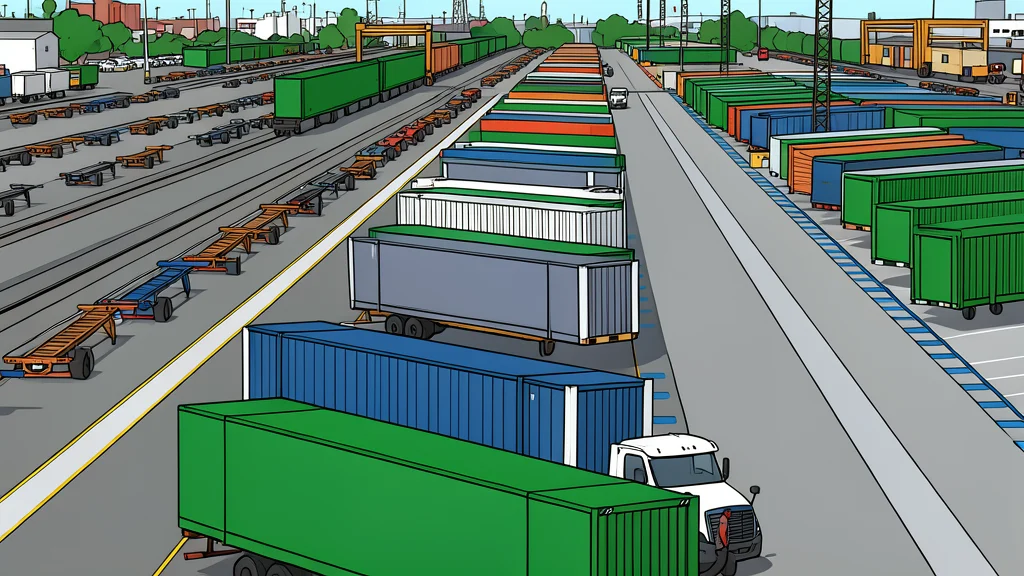
Diesel prices reached an all-time high of $6.31 per gallon on Wednesday. This surge is forcing major logistics firms to cut earnings projections significantly. The cost shock is spreading from trucks to trains and crops.
Diesel prices hit a record high of $6.31 per gallon on Wednesday. This marks the highest price in history. The cost has risen more than 70% from a year ago. Analysts link the spike to supply shocks from the war in Iran. J.B. Hunt expects a 5% to 10% drop in earnings from the second to third quarter. The company’s stock fell more than 13% in Wednesday’s session. This represents one of the worst days for the firm since 1983.
The Dow Jones Transportation Average fell more than 2% during midday trading. J.B. Hunt was the largest decliner in the index. Patrick De Haan of GasBuddy warns that prices will continue to climb. The national average could exceed $6.50 within two days. Midwest states may see prices reach $7 per gallon. California already averages over $8 per gallon. This price is up nearly 20% in the last month alone.
Regional Prices Show Extreme Variance
Claude Elkins of Norfolk Southern described the California prices as science fiction. The railway executive noted that $8 diesel is a new reality for the West Coast. The transportation sector added $1.9 trillion to the U.S. economy in 2024. This accounts for more than 6% of the total enhanced gross domestic product. Elkins states that high fuel costs will eventually drag on consumer spending. The sector remains a critical backbone of the national economy.
Inflation Pressure Hits Agricultural Producers
The price surge coincides with the fall harvest season. Jacob Aiken-Phillips of Melius Research notes that this raises costs for corn and wheat producers. Higher input costs often lead to sticker shock for grocery shoppers. However, analysts believe farmers and transporters will absorb these costs first. Retail sales still climbed 1.2% from July to August. Spending on autos and gas stations was excluded from this record high. The inflationary pressure is moving through the supply chain.
Market Shifts Toward Alternative Technologies
George Gianarikas of Canaccord Genuity sees a positive side to the crisis. Rising fuel prices may drive demand for autonomous trucking. Electric freight offerings could also gain traction. Companies are seeking ways to reduce exposure to volatile diesel markets. GN auto markets/energy data confirms the severity of the gasoline and diesel price hike. The industry is at a crossroads between cost absorption and technological change. The immediate impact is financial strain for traditional logistics providers.