Federal Reserve Raises Interest Rates to 3.75% to Curb Inflation
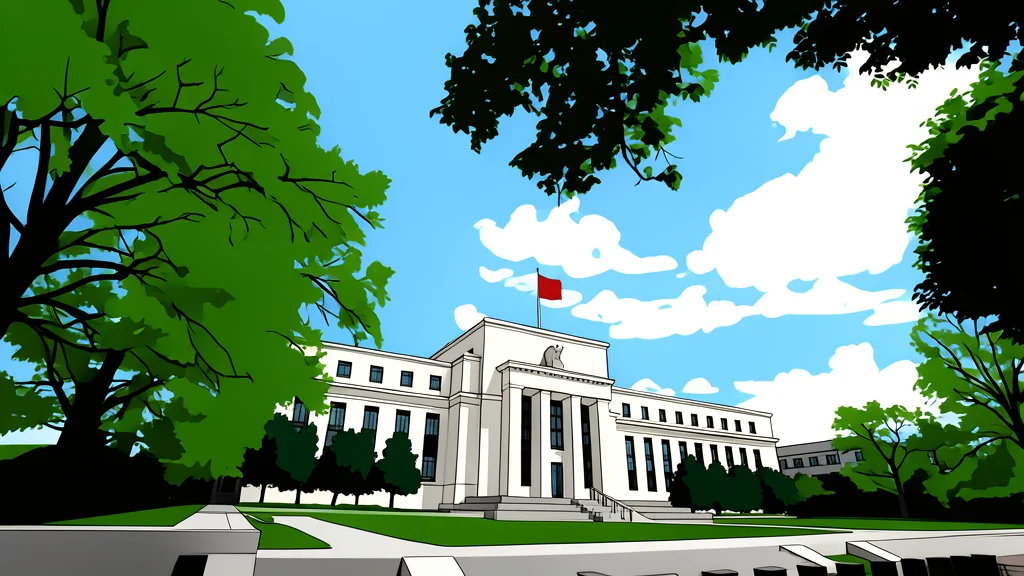
The US Federal Reserve increased the benchmark interest rate by 0.25 percentage points. The new standing rate is 3.75%. This is the first hike in three years.
The US Federal Reserve increased the benchmark interest rate by 0.25 percentage points. The new standing rate is 3.75%. This is the first hike in three years. The central bank aims to reduce inflation from 3.4% to 2%.
Market participants note the shift in policy stance. The move signals a commitment to price stability. Consumer borrowing costs will rise immediately. Credit card and loan payments are expected to increase.
Borrowing costs rise for consumers
Variable rate debt holders face higher monthly payments. The 0.25% increase applies to new and existing variable loans. Savings accounts may offer better yields. The trade-off favors savers over borrowers.
Mortgage rates currently stand near 7%. Analysts suggest a potential drop to 6.5%. This shift could aid first-time homebuyers. The long-term benefit may outweigh short-term pain.
Inflation outpaces local wage growth
Data from Hamilton County shows inflation rising faster than wages. The gap erodes purchasing power. The Federal Reserve targets a 2% inflation rate. Current levels remain above this threshold.
Chris Hopkins of Apogee Wealth Partners confirms the local impact. Groceries and fuel costs drive household strain. The rate hike aims to tame these specific price increases. The policy is a deliberate economic brake.
Future rate trajectory remains uncertain
One more rate hike is possible this year. The Federal Reserve will monitor data closely. The 3.75% rate may not be the peak. Market forecasts vary on the final level.
GN markets/inflation (en-US) reports the consensus view. The central bank prioritizes long-term stability. Short-term volatility is expected. Consumers should adjust budgets accordingly.