Global Central Banks Pivot to Hawkish Stance

The Federal Reserve is expected to raise rates by 25 basis points, joining a coordinated global tightening cycle.
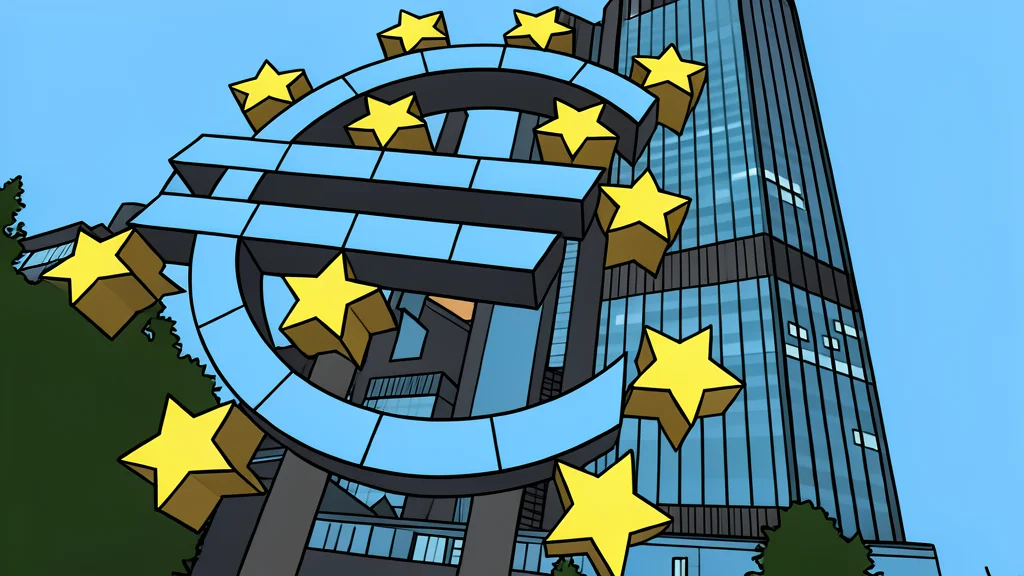
The Federal Reserve is expected to raise interest rates by 25 basis points at its next meeting. Futures markets price this probability at over 90 percent. This move aligns the United States with the European Central Bank and the Bank of Japan. Both institutions have already signaled or executed recent rate hikes. The Bank of England remains an outlier, likely to hold rates steady this week.
This shift marks the end of a prolonged era of low inflation and low interest rates. Economists describe this as a regime change for the international economy. Central banks are prioritizing the fight against sticky inflation. Energy prices and geopolitical risks drive this hawkish posture. The policy divergence is narrowing as major economies converge on tighter monetary conditions.
Regional Energy Dependence Drives Policy
Europe and Asia face higher inflation risks than the United States. These regions rely heavily on imported oil and natural gas from the Middle East. Energy-driven price increases hit consumers and businesses harder there. The European Central Bank raised its benchmark rate to an 18-month high last week. The Bank of Japan is expected to follow suit later this week.
Political Calendars Influence Rate Decisions
Upcoming elections in France, Italy, Spain, Poland, and Germany add political pressure. Voters dislike high inflation. Central bankers aim to avoid upside risks to price stability. In the United States, the Federal Reserve faces pressure from midterm elections in November. Analysts suggest the Fed may pause hikes until December. However, delaying action too long could make the adjustment more painful.
Sticky Inflation Extends Tightening Cycle
US inflation has remained above the 2 percent target for over five years. The Fed must address this persistent gap. BMO Capital Markets notes that almost all major banks lean hawkish. Wells Fargo Investment Institute points to common risks across continents. These include the Middle East war and energy costs. The consensus is that higher rates will persist longer than previously forecast.