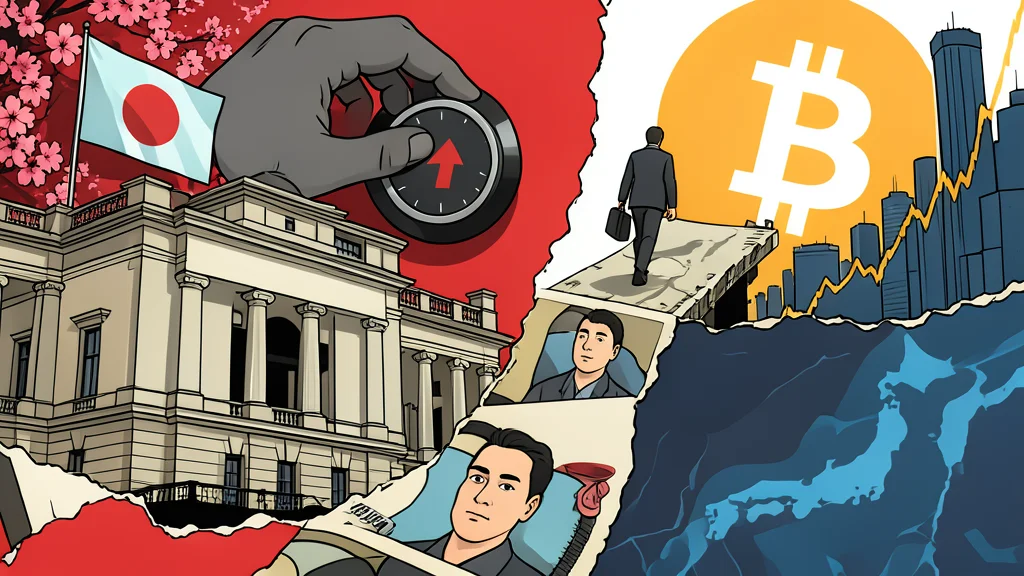
Japan Lifts Rates to 1.25%, a 31-Year High

Japan has hiked rates to a 31-year high of 1.25%, boosting the Nikkei 225, yet the yen remains volatile and weak against the dollar as the move was largely anticipated. While internal board dissent and US pressure persist, precious metals are currently trading on Federal Reserve and oil market dynamics rather than Japanese monetary policy.
According to GN auto markets/forex, the yen carry trade avoided a disorderly unwind this time because the hike was heavily priced in, with the currency actually weakening past 157 against the dollar rather than spiking. Meanwhile, gold and silver remain focused on separate drivers, specifically the Federal Reserve's recent hike and easing oil prices, showing little reaction to Tokyo's move.
Source: goldsilver.comNew details from the AP via GN markets/policy (en-US) reveal that two of the nine board members dissented on the hike, citing concerns over economic growth, while Governor Ueda highlighted risks from the Iran conflict and AI demand. Additionally, the dollar briefly breached 157 yen post-announcement, despite recent joint US-Japan intervention efforts to support the currency.
Source: kdhnews.comNew details from GN markets/policy (en-US) highlight that the rate hike is a direct response to soaring oil prices driven by the Iran conflict, a significant headwind for Japan's import-dependent economy. The report also notes that Tokyo’s Nikkei 225 index climbed immediately following the announcement, while U.S. officials continue to pressure Japan to further tighten policy to stabilize the yen.
Source: seattletimes.comGN markets/policy (en-US) reports that the rate decision was met with two dissenting votes, which triggered a sharp spike in the dollar against the yen to 156.90. Analysts note that this reaction suggests the market expects further hikes toward a neutral 1.5-2% range, with potential pressure on the currency to break the 160 mark if confidence in additional tightening wavers.
Source: Sharecast.comThe Bank of Japan raised its benchmark rate by 25 basis points to 1.25%. This is the highest level since 1995. The move aligns Japan with global tightening efforts.
Source: The Guardian