Taiwan Central Bank Holds Rates Steady Despite Regional Hikes

The Central Bank of the Republic of China kept its policy rate unchanged on September 17. This decision stands in contrast to recent increases by peers in Europe and Asia.
The Central Bank of the Republic of China kept its policy rate unchanged on September 17. The board voted to maintain the current stance despite rising inflationary pressures across the region.
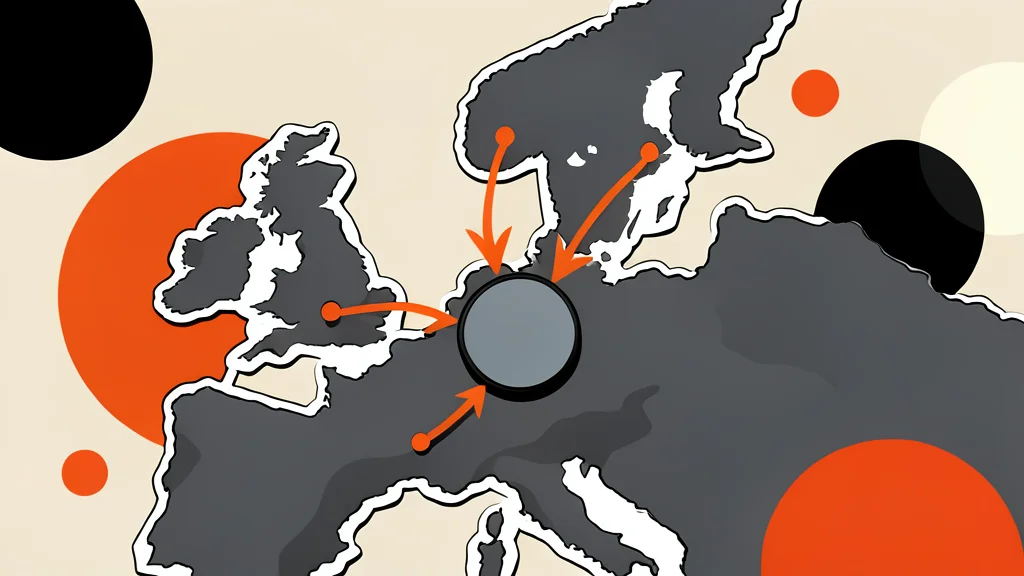
This decision diverges from recent moves by other major central banks. The European Central Bank and South Korea’s central bank have both raised rates twice since June. The Bank of Japan and the U.S. Federal Reserve have also moved to increase their rates.
Monetary policy remains tight since 2022
Governor Yang Chin-long stated that Taiwan has maintained a tight monetary policy since 2022. Rates have been held steady since the last increase in March 2024. The bank introduced additional selective credit controls targeting real estate in September of that year. It also raised the reserve requirement ratio to further tighten conditions.
AI demand drives internal monetary pressure
Yang noted that Taiwan is charting its own course. He explained that monetary demand was pushed up by the AI industry, strong economic growth, and a booming stock market. These factors emerged starting in the fourth quarter of 2024. The central bank continues to keep monetary policy tight through monetary operations.
According to GN markets/policy (en-US), the bank is guiding market interest rates upward. This action aims to suppress inflationary pressure. It also guards against asset price bubbles. The central bank views these measures as necessary despite the lack of a formal rate hike.
Board split over future rate path
The decision not to raise rates was not unanimous among board members. Two directors expressed opposition to the hold. Yang said the bank will take appropriate action if inflationary pressure is forecast to continue rising next year. However, the current forecast points to inflation trending downward in 2027.