Nigeria Agriculture Grows 4.39 Percent While Farmer Margins Shrink
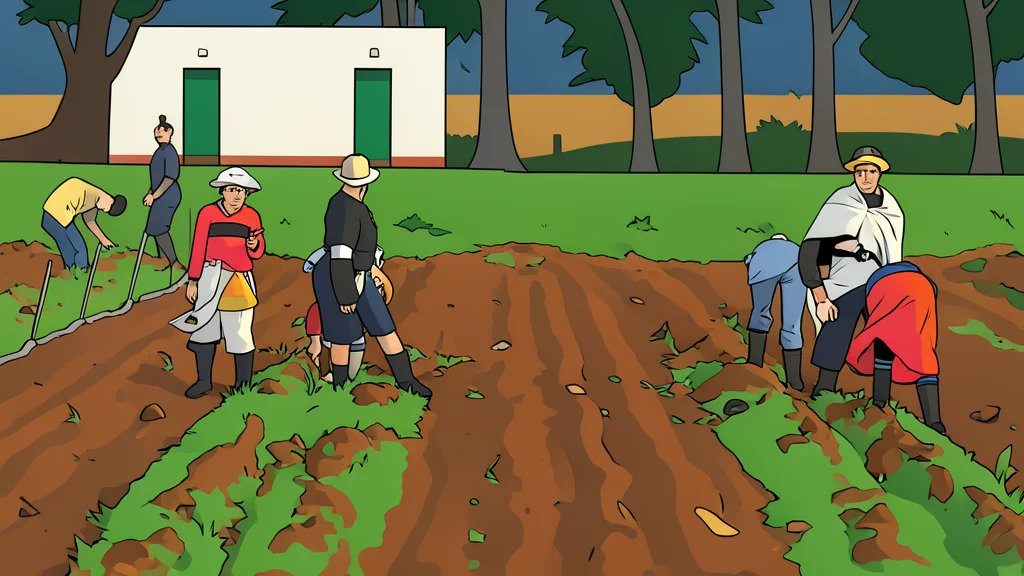
Nigeria's agricultural sector expanded by 4.39 percent in the second quarter of 2026, yet this headline growth has not translated into higher incomes for producers.
Nigeria's agricultural sector expanded by 4.39 percent year-on-year in the second quarter of 2026. This figure marks a significant acceleration from the 2.82 percent growth recorded in the same period last year. The sector now accounts for 26.15 percent of the country's real Gross Domestic Product. Despite these positive macroeconomic indicators, farmers report that their personal earnings have not improved. Many producers struggle to recover their initial investment costs from the previous harvest. Falling food prices in 2026 have further compressed their profit margins.
Daniel Okafor, vice president of the All Farmers Association of Nigeria, stated that sectoral growth does not equate to higher farm-level profits. He explained that profitability depends on the relationship between output, farm-gate prices, and input costs. High prices for fertiliser, seeds, labour, transportation, and machinery are eroding these margins. The association argues that national accounts growth must be accompanied by better business conditions for producers. Without this alignment, the statistical gains will remain disconnected from the reality of agricultural production.
Input Costs Erode Profit Margins
The rising cost of essential production inputs remains a primary constraint for Nigerian farmers. Okafor identified fertiliser, seeds, and machinery as key areas where expenses are outpacing revenue. Transportation costs for moving commodities to market also contribute to the financial strain. These factors prevent the 4.39 percent sectoral growth from translating into commercial returns for individual producers. The association calls for improved access to affordable inputs and agricultural credit. They also demand better mechanisation options and reliable storage facilities. These interventions are necessary to convert sectoral expansion into tangible income growth.
Insecurity Disrupts Agricultural Value Chains
Insecurity poses a direct threat to the sustainability of agricultural growth in Nigeria. Farmers in certain regions cannot safely access their farmland for routine operations. Displacement has forced other producers to leave their communities and productive assets. This disruption impacts the entire value chain, from land preparation to harvesting and marketing. Okafor noted that without safe working conditions, sustaining growth and achieving food security becomes difficult. Stronger protection for farming communities is required to maintain production levels. This is particularly critical in areas where access to land is restricted by conflict.
Land Tenure Limits Long Term Investment
Uncertainty in land tenure rights discourages long-term investment in agricultural infrastructure. Farmers who lack secure and predictable access to land are less likely to invest in irrigation or mechanisation. This structural constraint limits productivity enhancements that could boost overall sector performance. The All Farmers Association urges the government to facilitate clearer land access policies. Secure tenure is essential for encouraging the capital investment needed for modernisation. Without this stability, the potential for sustained agricultural expansion remains limited.
The divergence between GDP growth and farmer income highlights a structural gap in the sector. According to GN markets/growth (en-US), the data reveals that macroeconomic indicators do not always reflect microeconomic realities. Producers need targeted support to bridge this divide. Affordable credit, infrastructure, and security are the core demands of the farming community. These measures are required to ensure that the 4.39 percent growth benefits those who produce the food. The current situation underscores the need for policy interventions that address the specific challenges faced by agricultural workers.