Oaktree's Marks Supports Less Active Fed and AI Jobs Task Force

Howard Marks favors a Federal Reserve that communicates less and intervenes only in extreme cases.
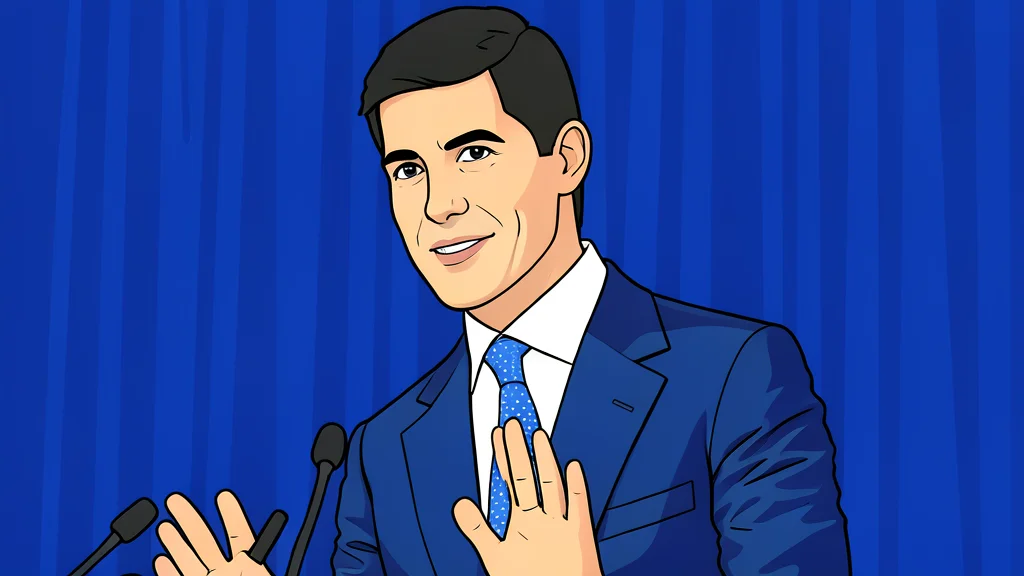
Howard Marks favors a Federal Reserve that communicates less and intervenes only in extreme cases. The Oaktree Capital Management co-chair stated this preference on Sunday during an interview. He argues that central banks should let the economy operate normally unless risks become severe. This stance aligns with current efforts by Fed Chair Kevin Warsh to reduce forward guidance. The Fed recently raised interest rates to control inflation. Less frequent communication from the central bank may increase market uncertainty. Investors might need to build more resilient portfolios to handle unexpected policy shifts.
Marks believes that reduced guidance encourages better portfolio construction. He views this shift as beneficial for the broader economy. Diversified investments can withstand policy changes better than those relying on central bank signals. This approach reduces reliance on specific interest rate predictions. It also promotes stability in asset pricing. The proposal contrasts with the traditional expectation of constant central bank commentary. Market participants must adapt to a quieter regulatory environment.
Marks Proposes Task Force on AI Employment Impact
The investor also urged policymakers to create a task force on artificial intelligence. This body would examine how AI affects employment and tax revenue. Marks noted that job losses would reduce tax payments to the government. He suggested this is a critical issue for policymakers to address. The proposal comes amid debate over AI safeguards. Technology companies and governments are considering new rules. The task force would study the economic effects of automation. This focus highlights the intersection of technology and public finance.
Market Implications of Reduced Fed Communication
Reduced Fed communication may alter investor behavior. According to TradingView, this change could reward diversified portfolios. Investors may stop relying heavily on central bank signals. This shift could lead to more stable long-term investment strategies. The Fed's recent rate hike demonstrates its commitment to inflation control. Less guidance does not mean less action. It means fewer verbal cues about future moves. Market volatility might increase in the short term. However, long-term resilience could improve. The central bank retains full flexibility to act when needed.
Policy Debate Surrounding AI and Labor
The debate over AI and labor continues to grow. Marks joins a broader conversation on economic safeguards. His proposal for a task force is specific but open-ended. He acknowledged uncertainty about the final recommendations. The core concern is the link between employment and taxes. If AI displaces workers, government revenue drops. Policymakers must consider this fiscal impact. The technology sector is expanding rapidly. Regulatory responses are still evolving. This issue remains a key topic in economic policy discussions.