SBP Faces 11.1 Percent Inflation Pressure
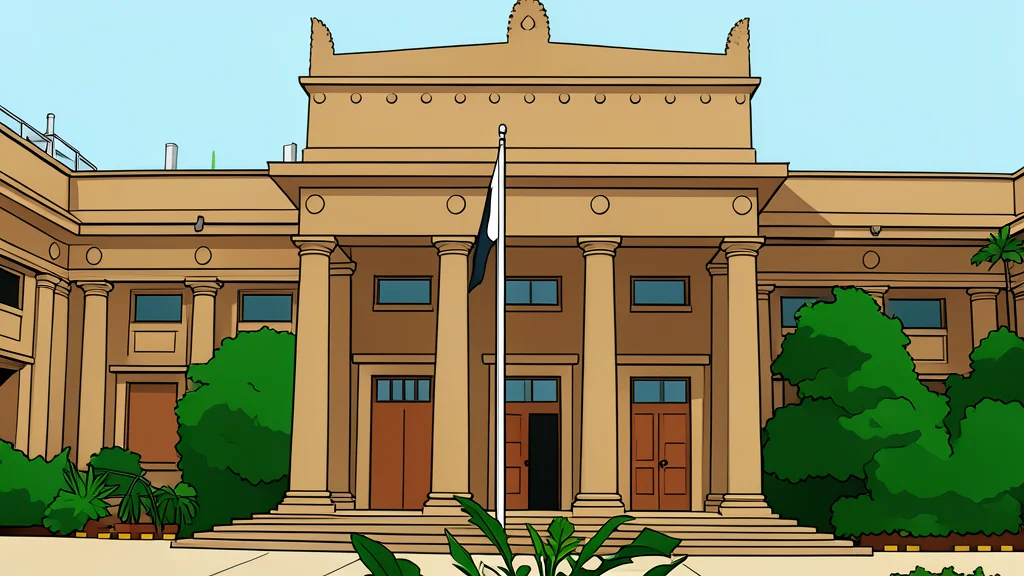
Pakistan's central bank weighs a 50 basis point hike as inflation hits 11.1 percent and global rates rise.
Inflation in Pakistan reached 11.1 percent in August. This marks a return to double digits after a drop to 9.2 percent in July. The State Bank of Pakistan currently maintains a policy rate of 11.5 percent. Analysts are divided on the next move by the Monetary Policy Committee. Some predict a 50 basis point increase. Others expect the bank to hold rates steady.
The central bank raised rates by 100 basis points in April. This action aimed to counter rising global energy prices. Trade and industry groups view the current rate as high. They argue it reduces competitiveness compared to other markets. The upcoming decision will balance domestic inflation against global monetary trends.
Global rates drive local policy
Brent crude oil prices have exceeded 105 dollars. The European Central Bank recently raised rates by 25 basis points. US inflation remains near 3.4 percent. Faisal Mamsa of Tresmark notes that Pakistan's rate outlook is now linked to external factors. He states that the State Bank must respond to these global pressures. The prolonged conflict in the Gulf has disrupted supply chains.
Fuel prices have surged above 100 dollars per barrel. Attacks on oil tankers in the Red Sea have hindered transport. These events drive up costs for Pakistan and regional states. Analysts say this limits the room for monetary easing. The State Bank faces a difficult position. It must manage inflation without stifling economic growth.
Market expectations diverge
A Tresmark poll found 20 percent of institutional traders expect a hike. This group anticipates a 50 basis point increase on Monday. Mamsa believes the status quo remains the best case. He notes that the bank may act cautiously. Bloomberg Economics and BMI share this view. They predict no change in rates immediately.
However, both firms see growing upward pressure on rates. They warn that future hikes may be necessary. Senior bankers suggest the bank may use a slight hike to counter inflation. They emphasize the need for long-term stability. The decision will impact borrowing costs for businesses and consumers.
Political and economic constraints
Researchers cite the Gulf war as a key obstacle. It prevents a clear stance on monetary policy. Regional states face similar challenges. The uncertainty complicates planning for the State Bank. According to GN markets/policy (en-US), the bank is in a tight spot. It must navigate these external shocks. The outcome of Monday's meeting will signal the bank's strategy.
The bank previously acted to stabilize the economy. It responded to supply chain risks in April. Now, it faces renewed inflationary pressure. The global trend of higher rates adds complexity. The State Bank aims to protect purchasing power. It also seeks to maintain financial stability. The market awaits the official announcement.