UK Inflation Hits 3.1% as Fuel Costs Surge
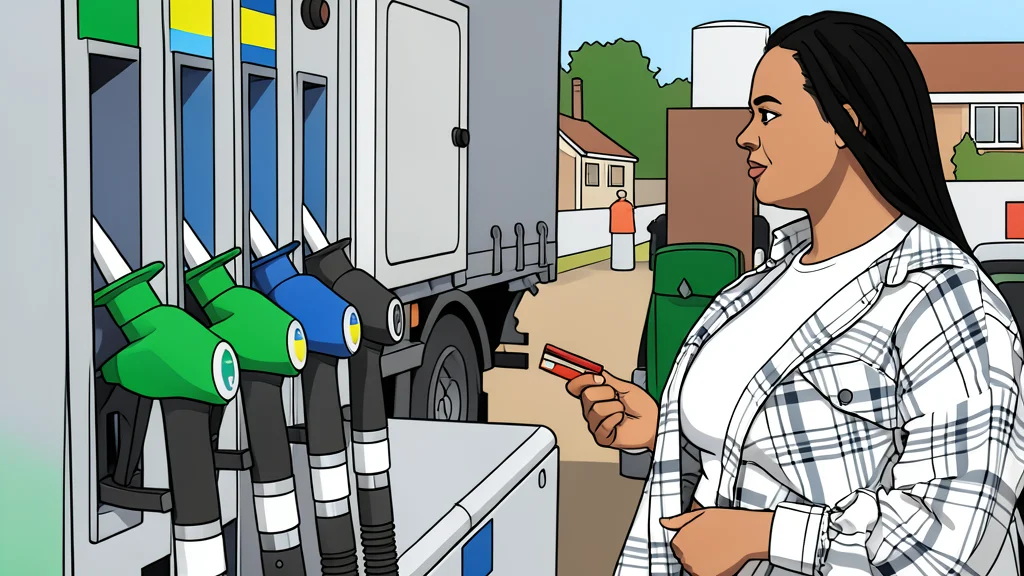
UK inflation accelerated to 3.1% in August, driven by a sharp rise in petrol and diesel prices.
UK inflation rose to 3.1% in the year to August. This marks the highest level in six months. The figure is up from 2.9% in July.
Petrol and diesel costs were the primary drivers of this increase. Motor fuel prices jumped 23% compared to August last year. These rises pushed the overall rate further from the Bank of England's 2% target.
Fuel prices hit four-year high
Average petrol prices reached 161.3p per litre in August. This is the highest level since November 2022. Prices increased by 9.1p between July and August.
Diesel costs also rose sharply. The Office for National Statistics attributed this to global supply disruptions. Middle East conflict has directly impacted fuel costs.
Oil market volatility drives costs
Crude oil prices exceeded $91 a barrel recently. This compares to approximately $73 before recent hostilities began. The price gap reflects ongoing geopolitical tensions.
These energy costs feed directly into consumer prices. Airfare costs also rose during the summer travel peak. Both factors contributed to the August inflation print.
Policy response and economic outlook
The Bank of England meets on Thursday to set interest rates. The current rate stands at 3.75%. Officials will assess the impact of rising inflation on monetary policy.
Chancellor John Healey acknowledged the global impact of the conflict. He noted that the UK economy remains resilient despite uncertainty. Growth slowed to 0.4% in the second quarter.
Data from GN auto markets/energy: gasoline prices confirms the upward trend in fuel expenses. This trend aligns with the broader inflationary pressure seen in August figures.