UK Inflation Rises to 3.1% on Fuel Cost Surge

Petrol and diesel price jumps pushed UK inflation higher in August, reversing a recent decline.
UK inflation increased to 3.1% in August. The rate rose from 2.9% in July. This marks a reversal from the 15-month low of 2.6% recorded in June. Fuel prices were the primary driver of this shift. The Office for National Statistics confirmed the upward trend in official data.
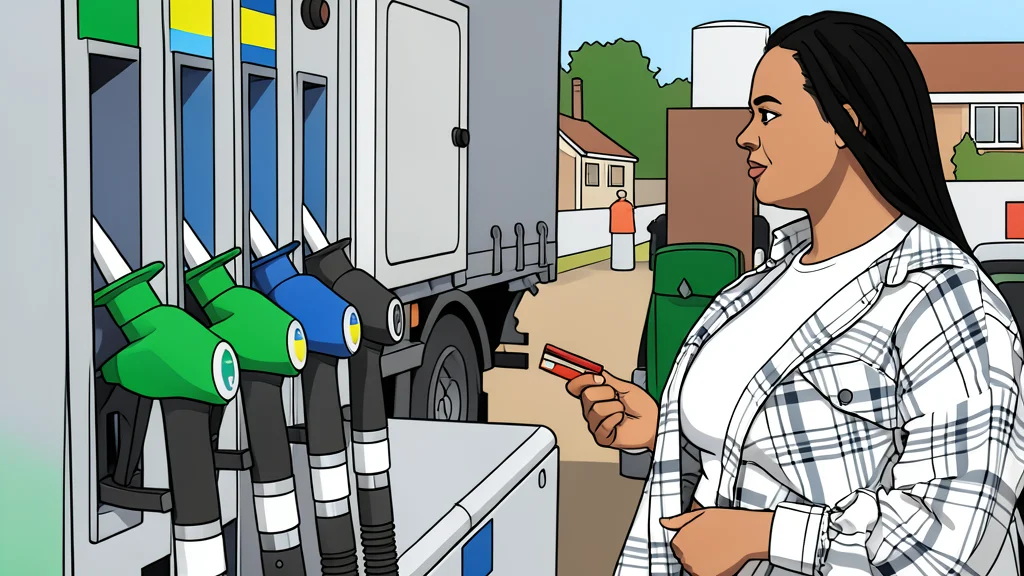
The average price of petrol rose by 9.1 pence per litre to 161.3 pence. Diesel costs increased by 14.2 pence per litre to 181.8 pence. These figures reflect the impact of geopolitical instability in the Middle East. The breakdown of the US-Iran ceasefire in July contributed to higher global oil and gas prices. Transport costs now weigh heavily on the consumer price index.
Fuel prices drive the index up
Motor fuels contributed significantly to the monthly increase. Grant Fitzner, chief economist at the ONS, cited sharp rises in petrol and diesel. Airfares also added to the pressure, rising by 6.2%. Long-haul journeys saw particularly steep price hikes. These transport sector increases outpaced other categories in the index.
Food and drink inflation remained steady at 1.3%. This stability persisted despite warnings of rising energy costs. The sector showed resilience against broader price pressures. However, economists expect food prices to face upward pressure in coming months. Supply chain costs from higher energy bills may soon transmit to grocery shelves.
Economists forecast continued upward pressure
Thomas Pugh, chief economist at RSM UK, predicts a new upward trend. He cites higher energy, food, and memory chip prices. Inflation is projected to peak near 4% in early 2027. A gradual decline to 2% is expected by 2028. The current rise is viewed as the start of this longer cycle.
The Bank of England is likely to keep interest rates unchanged. Martin Sartorius of the CBI noted limited signs of domestic price pressure. The Monetary Policy Committee will assess the global uncertainty. Domestic demand remains a key factor in their decision. The central bank aims to balance growth with price stability.
Government response to cost pressures
Chancellor John Healey acknowledged the global impact of the Middle East conflict. The government has cut tax on electricity bills. Bus fares are capped at £2. Lower rates apply to pubs and live music venues. These measures aim to provide breathing space for families and businesses. The administration emphasizes economic resilience despite external shocks.
Data from GN auto markets/energy: gasoline prices highlights the sector's volatility. The recent spike aligns with broader energy market trends. Consumers face higher costs at the pump. Businesses report increased operational expenses. The interplay between global events and local prices remains a critical economic metric.