Warsh Defines Inflation as a Monetary Choice
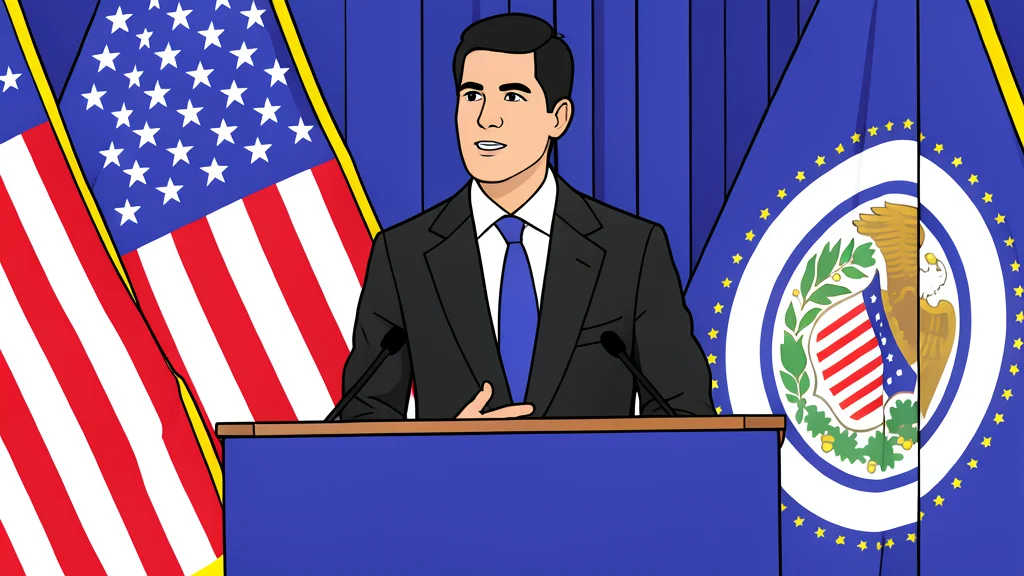
Federal Reserve officials assert that sustained price increases are a policy decision rather than an economic inevitability.
Kevin Warsh stated that inflation is a choice made by central bank policy. This view rejects the idea that rising prices are an unavoidable side effect of a strong economy. The Federal Reserve recently voted twelve to zero to raise interest rates. This action reflects a consensus that current inflation remains elevated and persistent. Officials note that price pressures extend beyond energy sectors. They argue that monetary expansion is the primary driver of general price increases.
Traditional economic theories often link inflation to aggregate demand exceeding supply. The Phillips curve suggests tight labor markets push wages and prices higher. However, these models describe relative price shifts rather than general inflation. A sustained rise in the average price level requires a broader increase in spending power. This phenomenon cannot occur without a larger total money supply circulating in the economy.
Monetary supply drives general price levels
Milton Friedman argued that genuine inflation results from money supply growth outstripping production. This perspective positions central banks as creators of money rather than mere regulators. When the supply of currency expands faster than goods, prices rise across the board. Individual price changes due to supply and demand do not constitute general inflation. A true inflationary event requires everyone to pay more for everything simultaneously.
Warsh emphasizes that this mechanism is distinct from sector-specific price adjustments. Semiconductor prices have risen due to artificial intelligence demand. Home construction costs have increased due to labor shortages. These are relative price changes, not general inflation. Without an overall increase in available dollars, higher spending in one area forces lower spending elsewhere. Markets naturally rebalance through production shifts and price adjustments.
Fed policy shifts focus to data
The new Federal Reserve leadership aims to let economic data guide decisions. This approach reduces reliance on forward guidance and market speculation. Warsh has spoken extensively on this topic during recent addresses. His views align with a broader push for monetary discipline. The central bank seeks to correct imbalances without stifling economic growth.
According to GN markets/inflation, this shift marks a departure from previous frameworks. The Fed now views itself as responsible for controlling the money supply. This role requires careful calibration of interest rates and liquidity. The goal is to maintain price stability while supporting employment. This strategy prioritizes long-term economic health over short-term demand stimulation.