Westpac Forecasts One Point GDP Hit from El Nino Drought
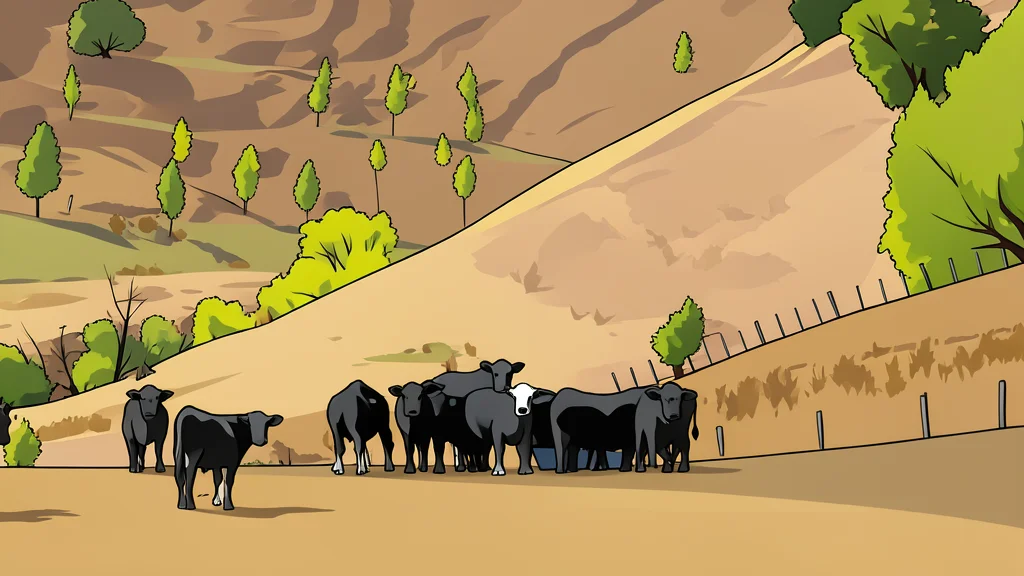
Westpac economists project a potential one percentage point reduction in New Zealand's GDP growth if current El Nino conditions develop into severe droughts across key agricultural regions.
Westpac Bank warns that developing El Niño conditions pose a direct threat to New Zealand's economic output. The bank estimates that a worst-case drought scenario could slow GDP growth by as much as one percentage point. This projection relies on historical data from previous drought events that heavily impacted pasture-based agriculture.
The risk is concentrated in eastern regions and the upper North Island. These areas face heightened probability of reduced pasture growth and lower livestock production. Such disruptions would increase operational costs and alter processing schedules for the dairy, sheep, and beef sectors.
Secondary Effects On Consumer Prices
Senior economist Michael Gordon notes that impacts extend beyond local farming. The phenomenon affects crop yields in Australia and Indonesia, creating upward pressure on global commodity prices. Consumers in New Zealand may see higher costs for imported food products, including vegetable oils and processed goods.
Meat prices may initially drop as excess livestock are processed during the drought period. However, Gordon predicts prices will rise in the following year as herds rebuild. This cycle creates volatility in the food sector that flows through to retail prices.
Sector Resilience And Mitigation Measures
New Zealand farmers possess greater resilience compared to previous decades. Current soil moisture conditions remain favorable, providing a buffer against immediate drought stress. Many agricultural systems have adapted to manage water scarcity more effectively.
Increased irrigation coverage and improved drought preparedness reduce the sector's vulnerability. Most dairy and meat production occurs before peak drought conditions typically set in. These structural advantages limit the potential damage relative to the El Niño event of nearly thirty years ago.
Uncertainty In Local Weather Patterns
The translation of broad climate patterns into local weather remains uncertain. Gordon emphasizes that there is no guarantee the El Niño will result in severe local droughts. The primary sector must monitor specific regional developments closely to adjust production strategies.
According to GN markets/growth (en-US), the financial implications depend on the severity of the local weather response. Transport and food processing industries face secondary risks from supply chain disruptions. The market will remain sensitive to updates on pasture growth and livestock health indicators.