Bab el-Mandeb Blockade Threat Puts 42% of Global Oil at Risk
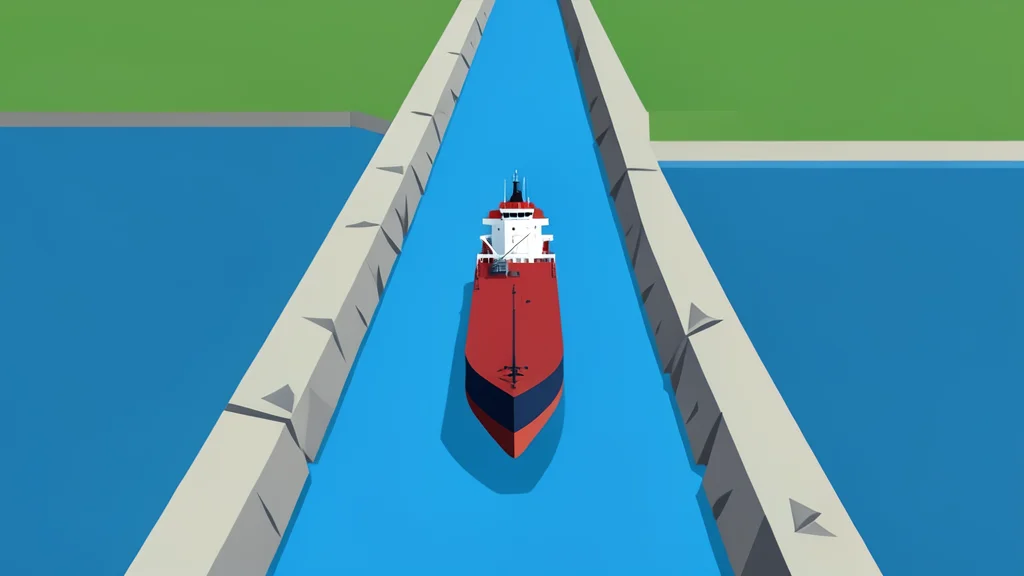
Analysts warn that Houthi actions could soon block the Red Sea, raising energy risks for Europe and Asia.
Key points
- A Houthi blockade of the Bab el-Mandeb would put 42% of global crude oil flows at risk.
- Shipping through the Red Sea gateway has dropped 90% below normal averages according to IMF data.
- The U.S. refused Saudi requests for air strikes and is now in direct contact with Houthi leaders.
A potential Houthi blockade of the Bab el-Mandeb Strait would place 42% of global crude flows at risk. This figure combines the 30% already threatened by the Strait of Hormuz closure with the 12% passing through the Red Sea gateway.
OilPrice.com reports that Tehran-backed forces are preparing to extend their restrictions beyond Saudi shipping. This move aims to maximize pressure on European and Asian markets that depend on these specific maritime corridors.
Red Sea traffic drops sharply
International Monetary Fund data shows shipping through the Bab el-Mandeb Strait has fallen 90% from normal levels. This decline occurs even before the Houthis declare a formal general blockade on all non-friendly vessels.
The strait handled 2.6 million barrels per day of refined products before the current crisis. Europe relies heavily on these imports because it has closed many of its own domestic refineries in recent years.
U.S. refusal to aid Saudi Arabia
Washington refused to authorize air strikes against Houthi advances on the Red Sea coast. This decision came after two separate requests from Saudi Crown Prince Mohammed bin Salman on September 10.
Direct contact between Washington and Houthis
OilPrice.com confirms that the United States is in direct contact with Houthi leaders. This diplomatic channel operates alongside the ongoing military escalation in the region.
Tehran uses this leverage to stretch U.S. military resources while undermining trust in American security guarantees. The strategy pressures Gulf allies to seek alternative security arrangements and energy partnerships.