China Sets 70% EV Sales Target for 2030
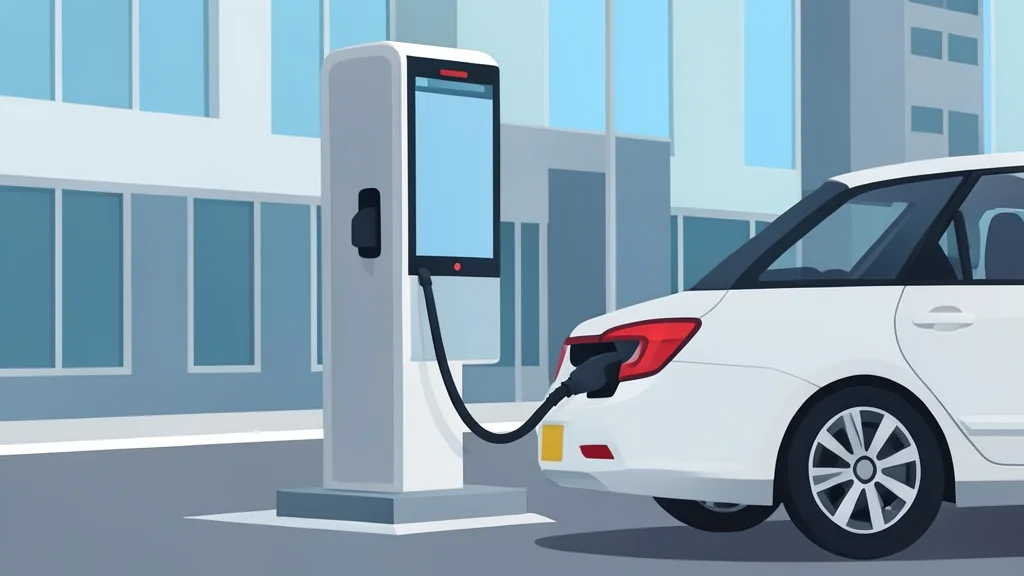
China targets 70% electric and hybrid vehicle sales by 2030, accelerating the decline in domestic oil demand.
China aims for electric and hybrid vehicles to account for 70% of all passenger car sales by 2030. This target represents a significant increase from the 54% share recorded at the end of last year. The shift will further reduce demand for road fuels.
The goal is part of a new five-year plan for the automotive industry. The plan was compiled by nearly a dozen Chinese government agencies. It also sets a target for 40% of new commercial vehicle sales to be electric by 2030.
Current Sales Data Shows Rapid Growth
Data from the local Passenger Car Association shows a steep upward trend. Electric and hybrid vehicles accounted for 65% of China’s total passenger car sales in August. Analysts suggest the 2030 target could be achieved earlier than planned.
High oil and fuel prices are accelerating the transition to electric vehicles. This price shock is pushing consumers toward greener alternatives. The adoption rate is rising regardless of the official government deadlines.
Refiners Project Significant Demand Drops
Chinese state refiners expect continued declines in road fuel consumption. Sinopec, the world’s top refiner by capacity, forecasts an 8.9% drop in Chinese oil demand in 2026. This decrease follows a second consecutive year of falling demand.
Sinopec Economics & Development Research Institute predicts specific fuel declines. Gasoline demand is set to fall by 8.7%. Diesel consumption is expected to drop by 11.4%.
Market Factors Drive the Shift
The energy price shock following the start of the war in Iran has steeper demand declines. Higher prices have destroyed some fuel demand. This economic pressure speeds up the adoption of electric vehicles, as reported by OilPrice.com.
The combination of policy targets and market forces suppresses total oil demand. This trend continues even without blocked crude supplies in the Middle East. The trajectory points toward a long-term reduction in traditional fuel reliance.