Diesel Hits Record High Amid Iran Conflict
U.S. diesel prices reached a record average of $6.40 per gallon on Thursday. The national average for gasoline stands above $4.40. President Trump called these costs a small price for national security.
The national average price for diesel hit a record high of $6.40 per gallon on Thursday. This figure marks the highest recorded average in history. The national average for gasoline also remains elevated at over $4.40 per gallon. These levels are significantly above the seasonal norm for this time of year.
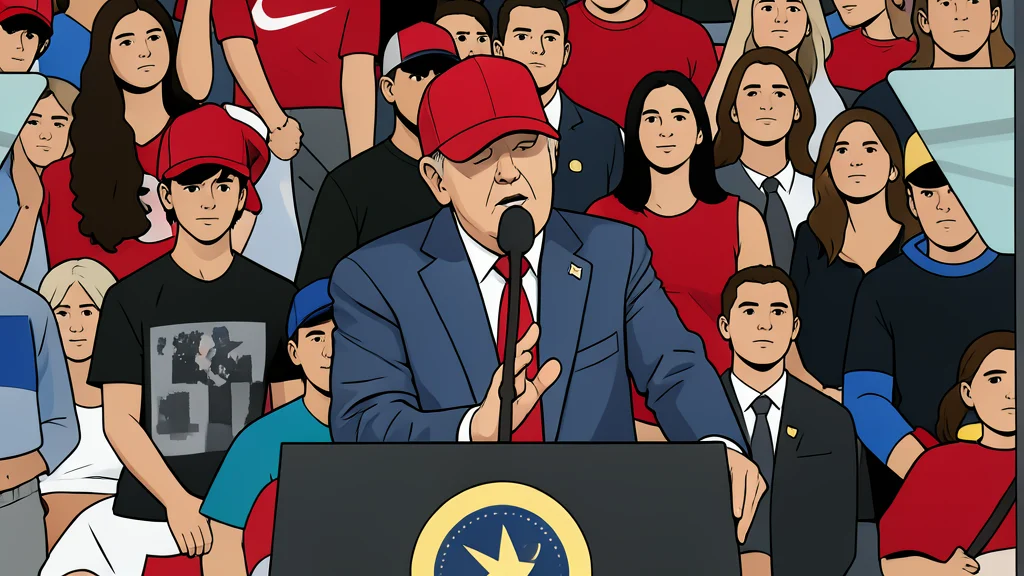
President Donald Trump stated that higher fuel costs are an acceptable trade-off for the ongoing war with Iran. He described the price increase as a very inexpensive cost for stopping Iran from acquiring nuclear weapons. Trump suggested that prices will drop rapidly once the conflict concludes. He expressed hope that the war will end soon.
Record Diesel Prices Defy Seasonal Trends
Data from the American Automobile Association confirms the record diesel average. The organization reported the $6.40 figure on Thursday. Gasoline prices averaged more than $4.40 per gallon. Experts note that prices typically fall during this period as summer demand decreases. The market is also transitioning to winter blend fuel, which usually lowers costs.
The current pricing contradicts standard seasonal patterns. The conflict has disrupted supply expectations. Drivers face higher costs despite cooling demand. The situation highlights the economic impact of geopolitical instability. Fuel remains a key inflationary pressure in the economy.
Trump Frames Cost as Security Investment
Trump argued that preventing a nuclear Iran justifies the financial burden. He stated that the cost is minor compared to the strategic gain. He predicted a sharp decline in prices after the war ends. His remarks align with his broader messaging on national defense priorities. The administration views the conflict as a necessary action.
The President indicated openness to restarting talks with Iran. He hopes for a resolution toward the end of the war. However, there are few signs of a near-term deal. Both sides show limited movement toward negotiation. The uncertainty continues to weigh on energy markets.
Federal Reserve Rate Hike Draws Criticism
The Federal Reserve raised interest rates for the first time since 2023. Chair Kevin Warsh led the decision. Trump criticized the move, arguing rates should be at 1% or less. He did not personally attack Warsh, a departure from past conflicts. The rate hike adds to the cost of borrowing for consumers and businesses.
The combination of high fuel prices and higher interest rates increases economic pressure. Citizens face reduced disposable income. The policy stance reflects a focus on controlling inflation. The market reacts to these dual pressures. Economic stability remains a central concern.