ECB Finds 2026 Energy Shock Smaller than 2022 Crisis
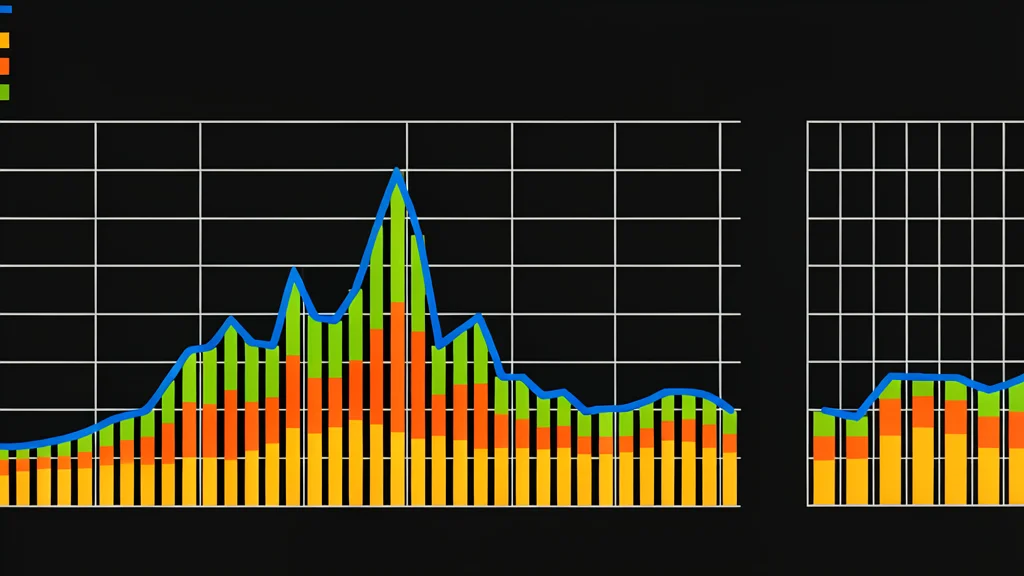
Renewable energy expansion has decoupled electricity prices from gas costs, limiting the 2026 price spike compared to the 2021-22 shock.
Key points
- The 2026 energy price shock is smaller than the 2021-22 crisis due to higher renewable shares.
- Spain and France have reduced the hours in which gas prices set electricity costs.
- Retail price-setting mechanisms and tax structures determine the speed of pass-through to consumers.
Wholesale energy price increases in 2026 remain lower than during the 2021-22 crisis. The European Central Bank attributes this to a structural shift in the electricity mix.
Renewable generation now dominates the power supply in several key markets. This shift reduces reliance on gas for marginal pricing, dampening the transmission of fuel cost spikes.
Renewables decouple electricity from gas costs
Gas prices historically set the ceiling for electricity costs in Europe. Droughts and nuclear maintenance outages in 2021 forced a heavy reliance on gas-fired generation.
The 2026 shock lacks that specific vulnerability. Higher shares of low-carbon generation mean gas no longer dictates prices in as many hours as before.
Consequently, wholesale electricity prices have risen more modestly in 2026. The divergence from gas market pressures is a defining feature of the current cycle.
Geographic divergence in price-setting mechanisms
The impact of renewables on prices is non-linear and uneven across countries. Spain and France have significantly reduced the hours in which gas sets the price.
Italy presents a contrasting scenario where gas still frequently determines electricity prices. This highlights how national grid architectures influence exposure to fuel volatility.
Retail pass-through varies by market design
The transmission of wholesale changes to consumer bills depends on retail mechanisms. Market-based prices with flexible adjustments transmit shocks fastest to households.
Regulated prices and fixed adjustment intervals slow the pass-through rate. Slow-moving taxes and charges further dampen the immediate impact on inflation.