ESPO Crude Tops $120 on Chinese Demand
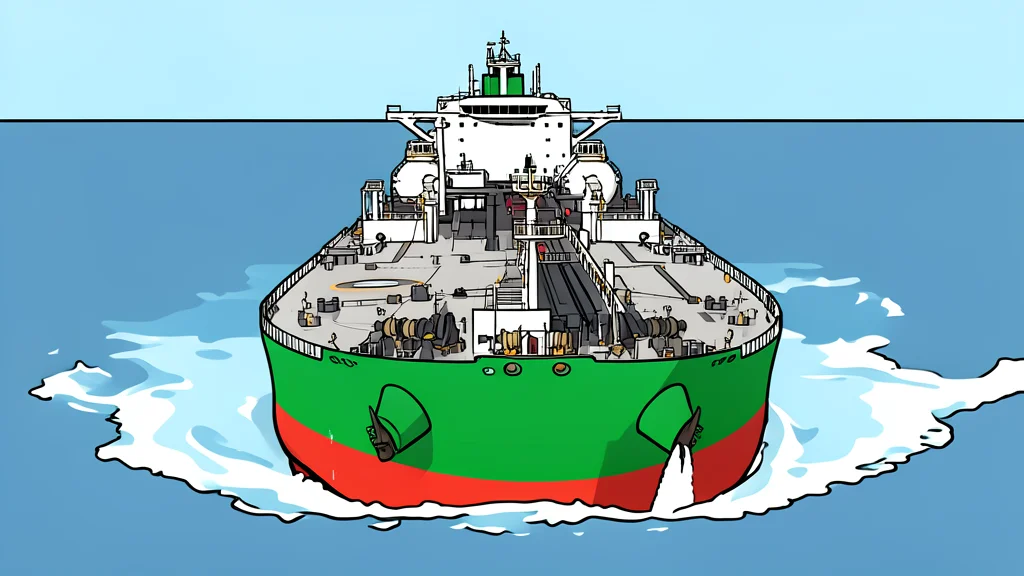
Russia's ESPO blend crude oil price surged past $120 per barrel for the first time since April. This spike is driven by urgent Chinese refinery needs amid Middle East supply disruptions.
Russia's ESPO Blend crude oil price exceeded $120 per barrel for the first time since April. This price point marks the highest level recorded since the early weeks of the conflict in Iran. The surge is driven by increased purchasing activity from Chinese refiners. These buyers are securing feedstock ahead of the winter heating season. Supply disruptions from Saudi Arabia have intensified the need for alternative sources. The market is reacting to a tight physical supply environment in the region.
The premium of ESPO Blend to ICE Brent reached a record high of $20 to $30 per barrel. Urals crude also climbed to $110 per barrel this week. US lawmakers approved legislation allowing tariffs on Russian oil purchases. This move aims to limit Russia's revenue from energy exports. Traders warn that such restrictions could further tighten global supply. This dynamic may lead to additional upward pressure on international oil prices.
State Firms Secure Winter Volumes
Chinese state-owned energy companies led the recent buying activity. They secured the majority of available November and December cargoes. Buyers locked in these volumes months in advance. This early commitment reflects fears of future supply shortages. The standard lead time for ESPO is one or two months due to short shipping distances. Current market conditions forced a deviation from this norm.
Independent refiners, often called teapots, faced significant scarcity. They are historically the primary buyers of this grade. With state firms absorbing most available supply, teapots were forced to seek alternatives. They turned to other global spot markets to meet their needs. This shift in demand patterns added upward pressure to global prices. The scarcity of ESPO volumes in the spot market remains a key driver of current costs.
Geopolitical Factors Drive Price Spikes
Unrest in the Middle East has disrupted standard supply chains. Saudi Arabian crude flows face specific threats to Chinese refineries. This uncertainty has accelerated the shift toward Russian grades. The US-Israeli conflict with Iran is a central factor in the current volatility. Traders are hedging against potential interruptions in the region. The result is a premium for reliable alternative sources like ESPO.
US legislative actions add another layer of complexity to the market. New tariffs on Russian oil purchases could alter trade flows. India and China are the primary targets of these potential restrictions. However, the immediate effect may be a further price spike. Limited supply combined with high demand favors sellers. Russian oil earnings could see a significant boost from this pricing environment. The interplay of war, sanctions, and seasonal demand defines the current landscape.