ExxonMobil Debt Ratio Stays Low Amid Oil Price Swings
ExxonMobil keeps debt low at 13.73% of capital. This buffer supports operations when oil prices drop sharply.
Key points
- ExxonMobil maintains a debt-to-capitalization ratio of 13.73%. This low level provides a strong buffer against falling oil prices.
- XOM shares gained 38.6% over the past year. This slightly outperformed the industry average growth of 38.5%.
- The 2026 earnings estimate for XOM saw upward revisions in 30 days. This signals analyst confidence in the company’s future performance.
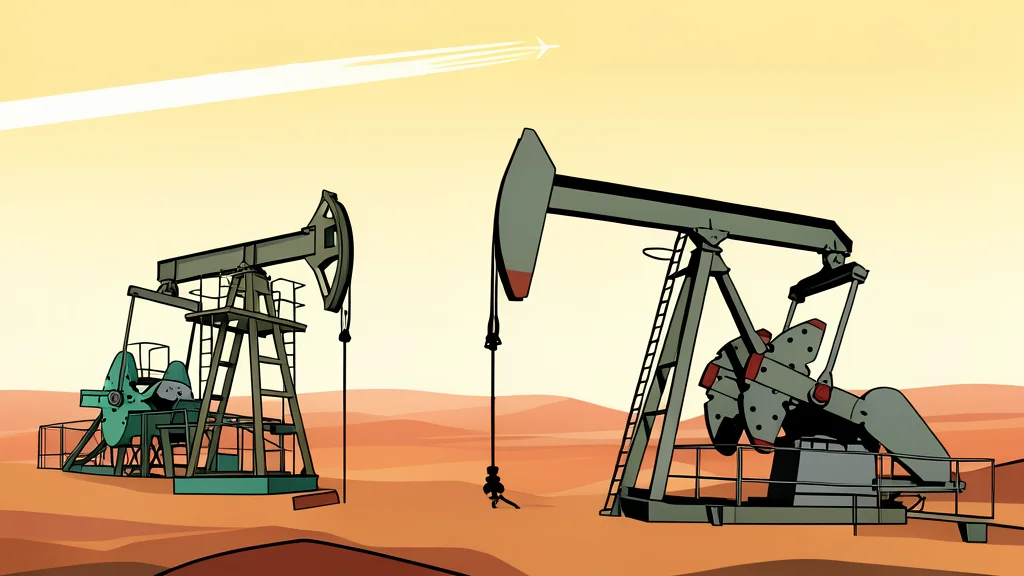
ExxonMobil’s debt-to-capitalization stands at 13.73%. This low figure protects the company from oil price drops. The firm relies on upstream assets in the Permian Basin and Guyana. These operations drive most of its earnings.
Low Debt Provides Financial Buffer
A 13.73% ratio means minimal reliance on borrowed money. This structure allows smooth operations during market stress. The company can fund acquisitions without urgent borrowing. Shareholder rewards remain consistent despite volatile conditions.
Peers Show Similar Financial Strength
Chevron holds a debt-to-capitalization ratio of 15.94%. EOG Resources records a ratio of 19.92%. Both firms maintain robust balance sheets. They can navigate unfavorable business environments effectively.
Stock Outperforms Industry Average
Zacks Investment Research notes XOM shares gained 38.6% in one year. The industry average growth was 38.5% over the same period. The stock trades at 8.87x trailing EV/EBITDA. This exceeds the industry average of 5.76x.
Analysts raised 2026 earnings estimates over the past 30 days. This reflects confidence in the company’s direction. The strong balance sheet supports these positive revisions. Investors see stability in a volatile sector.