US Diesel Hits $6.52 as Trump Considers Export Ban
Diesel costs surged 74% year-over-year due to geopolitical supply shocks, prompting federal export control debates.
Key points
- US diesel prices hit $6.52 per gallon on Sept. 14, 2026, a 74% rise from 2025.
- Conflicts with Iran and Russia have depleted global reserves and restricted refinery output.
- A 20% increase in trucking fuel costs translates to a 4% rise in operating expenses.
U.S. national average diesel prices reached $6.52 per gallon on Sept. 14, 2026. This marked a 74% increase from the same week in 2025. President Trump is considering a diesel fuel export ban. The move aims to stabilize domestic supply chains. High costs are now affecting food, transport, and energy sectors.
The price spike follows sustained geopolitical conflicts affecting global oil flows. The U.S. war with Iran has lasted over six months. The Russia-Ukraine conflict has continued for more than four years. These events have depleted global reserves of spare fuel. Supply now lags behind consistent demand.
Geopolitical Conflicts Drive Supply Shortages
The near-complete closure of the Strait of Hormuz reduced crude oil flow. This chokepoint is vital for producing gasoline and diesel. Ukrainian attacks on Russian refineries have also intensified through 2026. These strikes restricted Russian diesel from reaching global markets. The combined effect creates a severe shortage of available fuel.
Companies and countries have exhausted their extra supplies. Daily production cannot meet current demand levels. Basic supply and demand mechanics drive prices upward. The result is a broad economic impact across multiple industries. Geographic effects are widespread and persistent.
Sector Impacts From Rising Fuel Costs
Farmers face higher costs for diesel-powered planting and harvesting equipment. This may lead to postponed agricultural operations. Less food production translates to higher prices for consumers. Refrigerated trucks carrying perishables also see increased operating expenses. These costs eventually reach retail shelves.
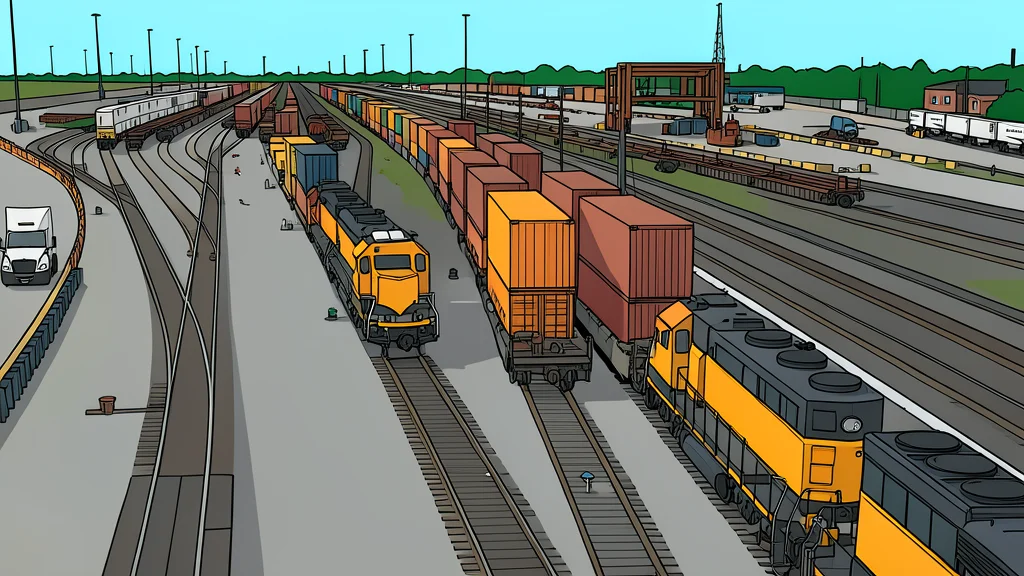
The trucking industry estimates a 20% fuel cost increase raises operating costs by 4%. Trucking has low profit margins, so expenses pass to buyers. Public transit faces a double burden of higher fuel bills. Rising gas prices also shift consumer demand toward shared transit options.
Energy Systems Face Operational Strain
Diesel powers backup generators and some primary power systems. Users in regions without interconnected grids are particularly vulnerable. Crude oil shortages also reduce heating oil availability. This creates additional pressure on residential energy budgets. The ripple effects extend beyond simple fuel purchases.
According to The Conversation, these dynamics reshape global supply chains. The U.S. Energy Information Administration confirmed the $6.52 national average. The data reflects a structural shift in energy economics. Policy responses like export bans aim to mitigate domestic pain. The outcome remains uncertain as supply constraints persist.