Heat Pump Sales Outpaced Gas Furnaces by 32 Percent in Q1 2026
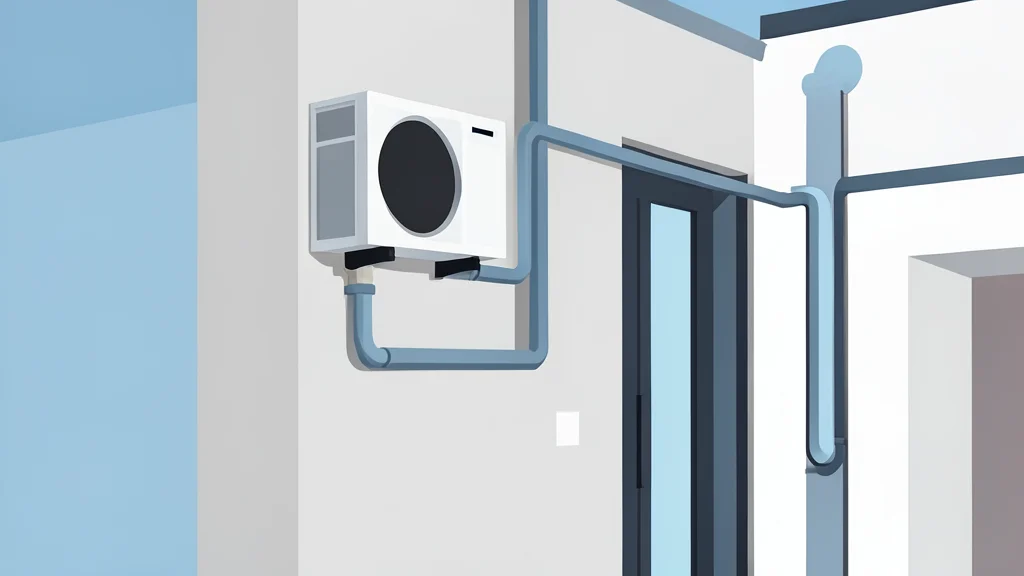
US heat pump installations exceeded natural gas furnace sales in the first quarter of 2026. This shift occurred despite the expiration of federal tax credits.
Heat pump sales in the United States outpaced natural gas furnace sales by 32 percent in the first quarter of 2026. This growth occurred after the federal tax credit for these systems expired at the end of 2025. Lucas Davis, an energy economist at UC Berkeley, noted that the market no longer depends on these financial incentives. The technology is increasingly replacing gas boilers in new construction and renovations.
Heat pumps transfer heat rather than generating it through combustion. This process makes them three to four times more efficient than conventional gas boilers. The system uses a compressor and heat exchanger to move thermal energy from the outside air to the interior. It also provides cooling capabilities during summer months, reducing the need for separate air conditioning units.
Global Adoption Reduces Fossil Fuel Dependence
Building heating accounts for 4 gigatonnes of carbon emissions annually. This represents approximately 10 percent of global emissions. Over one-sixth of global natural gas demand is used for building heating. In the European Union, one-third of natural gas demand serves this purpose. Replacing gas systems with heat pumps powered by renewable electricity reduces these emissions significantly.
Norway has equipped 60 percent of its buildings with heat pumps. Sweden and Finland have adoption rates exceeding 40 percent. These figures demonstrate that the technology performs well in cold climates. Global sales increased by nearly 15 percent in 2021. This rate was double the average growth observed over the previous decade.
Startups Drive Efficiency Improvements in Residential Markets
Reservoir, a Boston-based startup, raised $8 million in seed funding. The company aims to expand from 100 local installations to 1,000 by the end of 2027. Their system includes an ultra-efficient water heater that predicts hot water demand. The device stores energy and detects plumbing leaks to prevent waste.
The unit spends its first month in a home learning usage patterns. It then schedules operation during the most cost-effective times. This approach cuts energy costs without limiting water supply. Higher-end models include a recirculation valve for instant hot water. A mixing valve prevents pipes from freezing in cold weather. Users manage these features through a mobile application.
Market Strength Persists Without Tax Incentives
US heat pump sales doubled over the last 15 years. The recent growth in the first quarter of 2026 confirms this trend. The end of the $2,000 tax credit did not halt adoption. Analysts from GN auto markets/energy: natural gas observe that consumer demand remains robust. The shift reflects a structural change in residential heating preferences rather than temporary policy effects.