Heating Oil Costs to Rise 31 Percent This Winter
National Energy Assistance Directors Association forecasts a 31.3 percent jump in heating oil bills, driven by geopolitical conflict and rising crude prices.
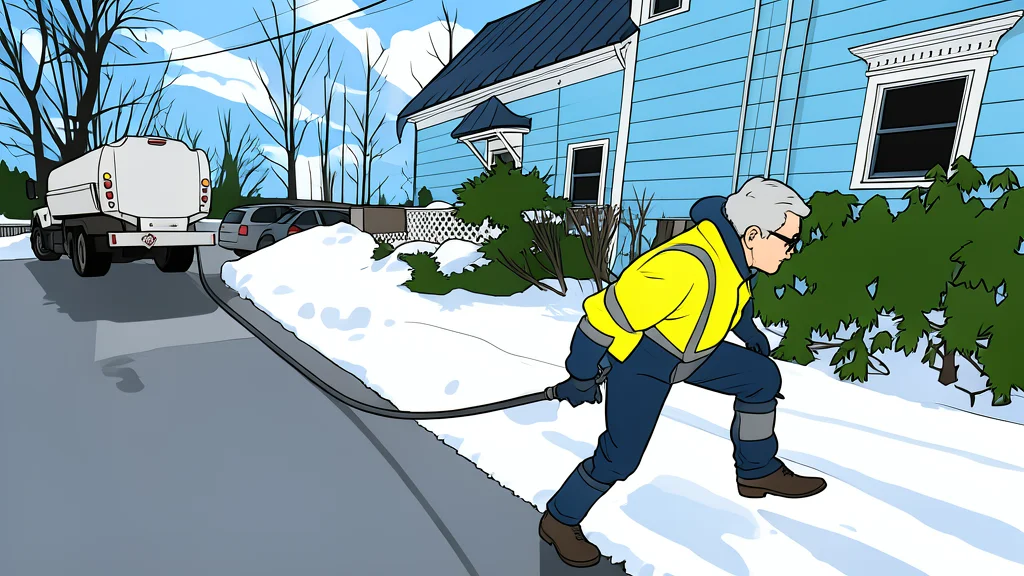
Heating oil prices are set to rise 31.3 percent this winter. The National Energy Assistance Directors Association issued this forecast on Wednesday. The average household using oil heat will pay approximately $2,300 for the season. This season runs from mid-November to mid-March. The increase is directly linked to the ongoing conflict between the United States and Iran. This conflict has pushed up crude oil and diesel fuel prices. Tommy Cole Jr., a Marine Corps veteran in Massachusetts, expects to pay $5.56 per gallon. Last year, he paid less than $4 per gallon for most of the season. Cole relies on federal assistance to keep his family of five warm. He is currently applying for the Low Income Home Energy Assistance Program. The program provides aid to low-income households for energy costs. Cole stated he will submit his application immediately upon receipt. This reflects the urgency of the financial pressure on oil heat users.
Overall winter heating costs are projected to increase by 8.7 percent. This rate is more than double the current inflation rate. Electricity prices are expected to rise by 9 percent. Natural gas prices are forecast to grow by 5.8 percent. Nearly 90 percent of US households use electricity or natural gas for heating. Only 4 percent of households use oil heat nationally. However, oil heat is prevalent in New England and Mid-Atlantic states. The National Energy Assistance Directors Association noted that winter heating costs have risen by roughly 24 percent over the past five years. El Niño weather patterns are expected to keep temperatures warmer than average. Despite milder weather, rising fuel prices will drive up bills. Consumers face higher costs for gas, groceries, and other necessities. The financial burden is spreading across all energy sectors.
Federal funding gaps strain aid programs
The National Energy Assistance Directors Association has requested an additional $3 billion from Congress. This funding is intended to cover rising heating oil and electricity costs. The Low Income Home Energy Assistance Program received $4.1 billion for the current fiscal year. This fiscal year ends on September 30. Community action programs are waiting for state-level funding allocations. Liz Berube, executive director at Citizens for Citizens, reports increased inquiries from clients. Her agency assisted 2,160 oil heat customers last winter. These customers received an average of just over $1,000 in aid. This amount was sufficient to fill just over one tank. If prices remain above $5 per gallon, this aid will cover less. The program does not begin until late October. State lawmakers have not yet committed to additional funding. The gap between rising costs and available aid is widening.
Consumers face difficult timing decisions
Mark Wolfe, executive director of the National Energy Assistance Directors Association, identifies a purchasing dilemma. Many oil heat users typically buy fuel in September or October. Prices usually rise gradually over the winter months. Consumers must decide whether to buy now or wait for a potential drop. Prices could continue to climb due to geopolitical tensions. The uncertainty complicates budgeting for households. The source of this data is GN auto markets/energy: crude oil prices. Analysts track these fluctuations to predict consumer impact. The trend shows a sustained upward trajectory in fuel costs. This affects both residential and commercial users. The timing of purchases directly impacts total seasonal expenditure. There is no clear signal for price stabilization. Consumers are advised to monitor market conditions closely. The window for favorable pricing is narrowing.
Geopolitical conflict drives energy inflation
The US-Iran war is the primary driver of current price increases. This conflict disrupts global supply chains for crude oil. Diesel and gasoline prices have also risen in tandem. The spillover effect on heating oil is significant. Geopolitical risk premiums are embedded in current market prices. Analysts from GN auto markets/energy: crude oil prices note this correlation. The instability in the Middle East affects shipping and production. This leads to higher costs for domestic consumers. The duration of the conflict remains uncertain. Prolonged hostilities will likely sustain high energy costs. The economic impact extends beyond heating bills. It affects transportation and manufacturing sectors. The current situation requires careful fiscal management by households. The federal response includes increased aid requests. Market participants are adjusting their forecasts accordingly. The next few months will determine the severity of the impact.