Hormuz Risk Drives $40 Gap in Crude Prices
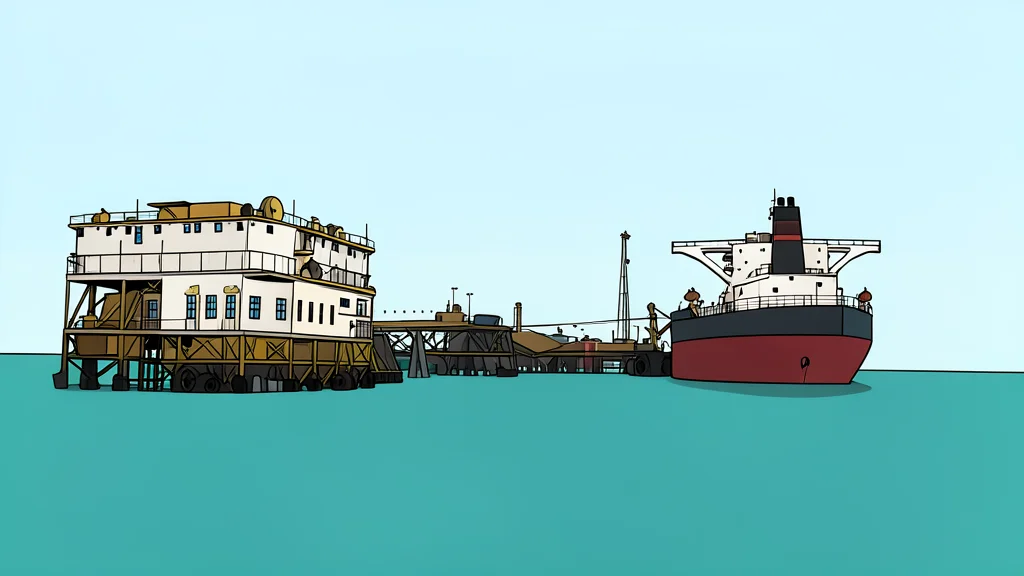
Geopolitical risk in the Persian Gulf has created a severe price divergence, with Gulf-loaded crude trading at steep discounts to benchmarks loaded outside the strait.
Brent crude stands above $107 per barrel. WTI trades near $103. A $43.06 per barrel discount separates Iraqi Basrah Medium from the regional Murban benchmark. This gap reflects the cost of risk for moving oil through the Strait of Hormuz. Murban crude, loaded at Fujairah outside the chokepoint, trades above $127 per barrel. The price difference isolates the premium for safe transit routes.
Iraq has shut in wells and offered heavy discounts to secure buyers. These incentives offset the threat of drone or missile attacks. Despite reports of Iranian exemptions for Iraqi cargoes, buyers demand compensation for the hazard. The discount structure persists even as physical demand remains resilient against higher price levels.
Tanker Traffic Remains Severely Subdued
Ship-tracking data indicates minimal movement through the strait. Windward reported only one outbound tanker on September 14. Two additional vessels entered the waterway that day. All three were liquefied petroleum gas carriers. The volume of crude oil tankers transiting the route has dropped sharply. This reduction confirms the operational paralysis in the region.
The discount shrinks once vessels clear the dangerous chokepoint. Demand for physical oil overrides safety and insurance concerns. This dynamic highlights the strength of global crude consumption. Buyers continue to absorb supply despite prices significantly higher than early 2024 levels. The market has not reached a demand breaking point.
Non-Gulf Crude Prices Surge Sharply
Crude produced outside the Persian Gulf commands higher premiums. Australian Pyrenees blend is the most extreme example. It traded at $138.04 per barrel last Friday. This compares to $70.59 per barrel on February 27. The increase followed the US and Israel attacks on Iran. Pyrenees is now the most expensive blend tracked by Argus. These figures illustrate the global repricing of supply risk.
GN auto markets/energy: crude oil prices data confirms the structural shift. The market is pricing in the binary risk of Hormuz closure. Traders are separating safe supply from threatened supply. The $40-plus gap is a direct monetary value for geopolitical stability. This divergence will likely persist until hostilities cease and transit normalizes.
Market Dynamics Reflect Geopolitical Premium
The price structure now explicitly quantifies the cost of war. Discounts for Gulf crude act as insurance premiums. Buyers pay less for the barrel but more for the risk. Sellers of non-Gulf crude capture the full risk-averse value. This bifurcation creates a two-tier market for global crude. The spread serves as a real-time indicator of regional tension.