Houses Outpace Flats in Rental Demand Across England
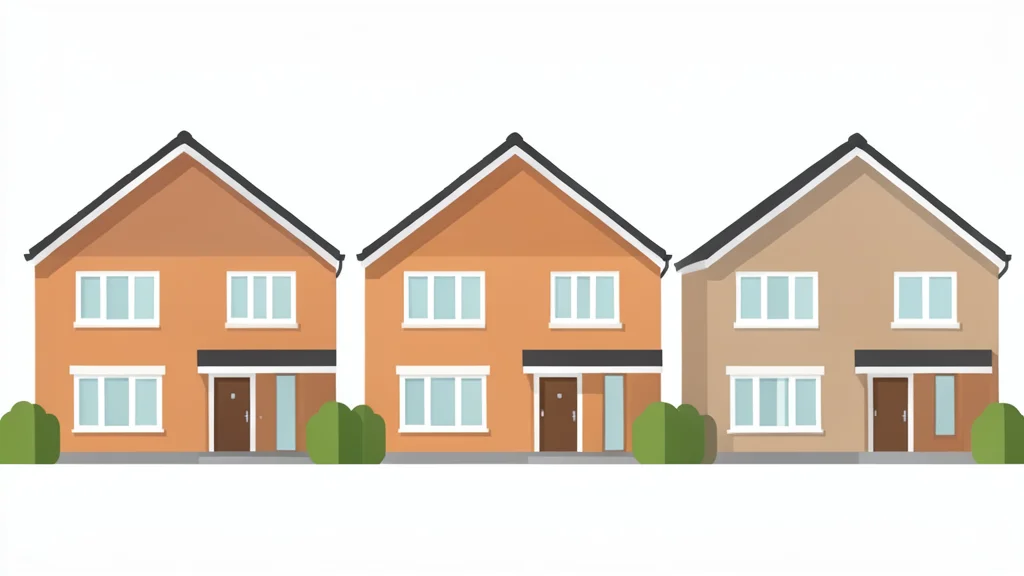
Household demand for rentals is shifting. Houses now command two-thirds of high-demand listings in England, reversing the historical preference for flats.
Houses account for 65.7% of high-demand rental properties in England. Flats represent the remaining 34.3% of this specific segment. The data covers 15,583 properties with strong tenant interest.
Detached homes lead the house category at 27.3% of the total. Semi-detached properties make up 22.8%. Terraced homes comprise the final 15.6% of high-demand listings.
Regional demand splits by property type
The South East holds the largest share of high-demand properties. It contains 4,191 units, or 27% of the national total. London follows with 2,869 properties, representing 18% of the market.
London relies heavily on flats for rental demand. Flats constitute 71.9% of high-demand units in the capital. In the South East, houses dominate with a 64.9% share.
The East of England shows an even stronger preference for houses. Houses account for 77% of high-demand properties there. The East Midlands exhibits the most extreme skew, with houses making up 97.4% of demand.
Drivers behind the housing shift
Renters are staying in the private rental sector for longer periods. Affordability barriers prevent many from purchasing homes. This extends the duration of rental tenancies across various life stages.
Tenant needs have diversified as a result. Demand for larger houses has increased. The rental market now serves a broader range of household compositions than before.
Implications for landlord management
Strong demand helps minimize void periods for landlords. Rushbrook commissioned the analysis behind these findings. Proper management remains critical for long-term performance.
Maintenance and compliance protect property appeal. Landlords must prepare units quickly between tenancies. Good management converts high demand into sustained returns.