JP Morgan Admits Inability to Model Oil Price Endgame
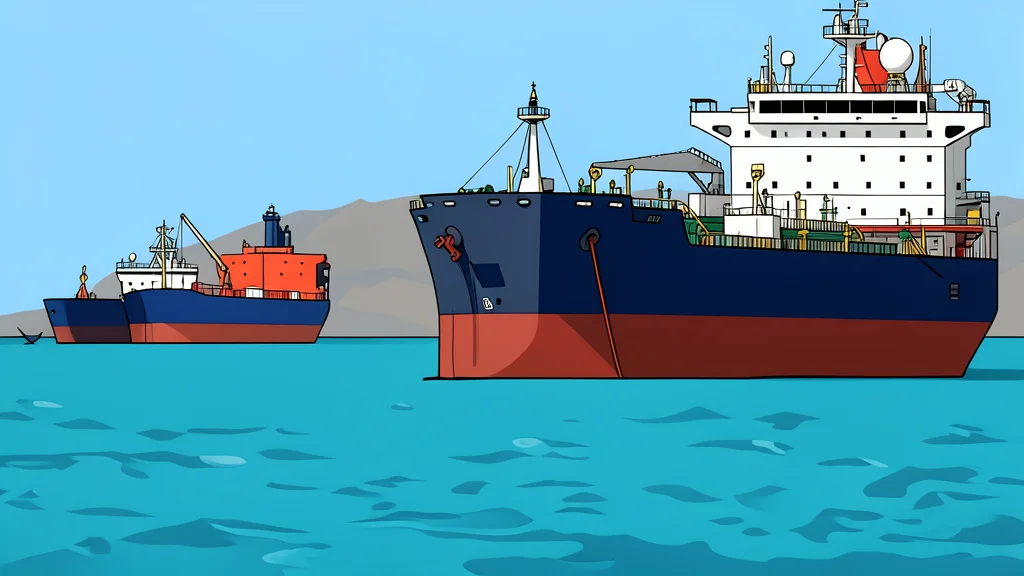
Crude oil prices have surged back above $100 per barrel, erasing the bank's previous baseline forecasts.
Crude oil prices have surged back above $100 per barrel, erasing the baseline forecasts held by major financial institutions. JP Morgan stated it cannot currently model the endgame of the US-Iran conflict. The bank admitted its previous assumptions about economic red lines have failed. Specifically, the institution expected a deal to open the Strait of Hormuz by June. That expectation has not materialized.
The bank identified specific thresholds it believed the US would not cross. These included oil prices exceeding $100, inflation reaching 4%, gasoline topping $5 per gallon, and 10-year government bond yields hitting 5%. Six months into the conflict, several of these lines have been crossed. The exit strategy remains unclear, according to the commodities research team.
Economic red lines have been breached
Oil prices have crossed the $100 mark in recent weeks. The yield on 10-year US government bonds has also ticked over 5%. Gasoline prices remain below the $5 threshold. Inflation has not yet reached the 4% target. However, the market remains on edge due to the broader uncertainty. Investors rely heavily on inflation expectations for decision-making. Oil is a primary driver of global price increases.
JP Morgan analysts noted that the market is currently on edge. An industry source described the bank's note as unusual. The source called it a reflection on the current state of play. The uncertainty around the conflict makes prediction difficult. This admission highlights the complexity of forecasting White House moves. It underscores the lack of a clear baseline view.
Political timeline extends market uncertainty
US President Donald Trump stated the war may last until after November midterms. He predicted oil prices would tumble downward after the election. He suggested the conflict will take longer than the midterm cycle. This political timeline adds another layer of unpredictability. The duration of the conflict directly impacts energy costs. Fuel and energy prices are surging ahead of colder months.
High oil prices are driving rising living costs in the US. Global prices are also increasing due to commodity dependence. The widespread use of oil makes it a critical factor. The lack of a clear endgame complicates investment strategies. Market participants are awaiting further signals from Washington. The situation remains volatile and unpredictable.
Market volatility persists amid conflict
The inability to forecast prices creates significant risk for investors. JP Morgan's note signals a shift in confidence. The bank no longer holds a standard view. This reflects the broader market sentiment. The US-Iran war continues to disrupt supply chains. Energy markets are reacting to geopolitical shifts. The lack of a definitive exit strategy keeps prices elevated.
According to GN auto markets/energy reports, crude oil prices remain a focal point. The data shows a sharp rise above $100. This trend contradicts earlier optimistic models. The conflict has introduced variables that standard models cannot capture. Financial institutions are revising their outlooks. The market awaits a resolution to the geopolitical tension.