Lamar Marks 30 Years Public as Oil Drops to $95.78

Lamar Advertising celebrates three decades of public trading while WTI crude falls 4.5% on diplomatic signals.
Key points
- Lamar Advertising CEO Sean Reilly rings the Nasdaq bell for the company's 30th public anniversary.
- WTI crude oil prices fell 4.5% to $95.78 per barrel due to expected U.S.-Iran diplomacy.
- OpenAI calls for international AI standards and limits on autonomous self-improvement capabilities.
Lamar Advertising CEO Sean Reilly will ring the Nasdaq opening bell on Tuesday at 8:30 a.m. Central time. The ceremony marks the Baton Rouge-based company’s 30th anniversary as a publicly traded entity.
The firm went public in 1996, establishing a long track record in the outdoor advertising sector. This milestone coincides with significant volatility in energy markets, where geopolitical shifts are reshaping price dynamics immediately.
Crude Prices Fall on Diplomacy
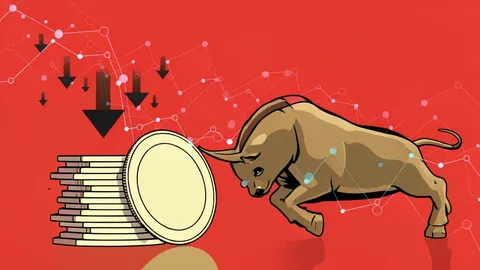
West Texas Intermediate crude dropped 4.5% Monday to close at $95.78 per barrel. The decline reflects market expectations that President Donald Trump may pursue diplomacy with Iran rather than military action.
Oil flows through the Strait of Hormuz have recovered to approximately 80% of prewar levels. This resilience in supply chains has helped stabilize prices despite ongoing attacks on Saudi tankers and regional infrastructure.
OpenAI Pushes International Standards
OpenAI is urging the United States to collaborate with other nations on international technical standards for advanced AI. CEO Sam Altman will discuss these security issues with the U.N. Security Council and Chinese leadership.
The company supports limiting fully autonomous AI self-improvement until safety is demonstrably established. This stance aligns with broader efforts by the U.S. and China to manage risks associated with rapid model development.
Market Context and Outlook
According to businessreport.com, these developments highlight a dual focus on corporate longevity and global risk management. Investors are watching how diplomatic progress in the Middle East interacts with regulatory debates in the technology sector.