Minnesota Gas Hits $4.47 as Iran War Disrupts Oil Supply
U.S. Central Command estimates the Iran conflict has cost taxpayers $43.6 billion. This figure coincides with rising fuel costs in the Midwest and a severe shortage of engine oil base stock.
U.S. Central Command estimates the Iran conflict has cost American taxpayers $43.6 billion. This financial burden is accompanied by tangible increases at the pump. Regular gasoline in Minnesota reached $4.47 per gallon according to the American Automobile Association. The price rose slightly from the previous day. The increase reflects broader supply chain pressures stemming from the geopolitical situation.
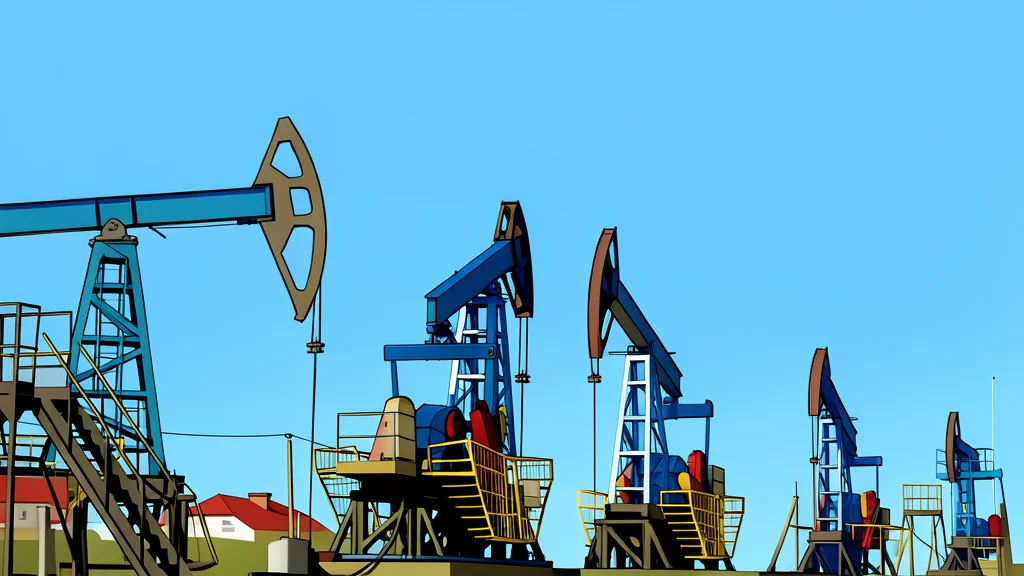
The impact extends beyond fuel to critical automotive maintenance products. The price of API Group III base oil has tripled from $4 to $12 per gallon. This base material is essential for manufacturing engine oils. Supply disruptions affect roughly 44% of the U.S. market. These figures provide a baseline for understanding the current economic strain on consumers.
Supply chain disruption hits base oil markets
Industry experts attribute the price surge to a direct supply crisis. A major facility producing Group III base oil suffered damage from an Iranian missile. The plant remains offline for at least another year. Holly Alfano, CEO of the Independent Lubricant Manufacturers Association, confirmed the damage. She warned that consumers should brace for significant price increases. Current inventory levels are masking the full extent of the shortage. Most suppliers still have stock on hand.
Retailers cap purchases to manage inventory
Large retailers are implementing strict purchase limits to prevent stockouts. Costco raised the price of a 10-quart motor oil package to $58. The cost was approximately $35 just weeks earlier. These measures aim to protect the supply chain. Patrick De Haan, a petroleum analyst with GasBuddy, advises against panic buying. He notes that companies are prioritizing stability over immediate sales. The strategy prevents a total depletion of available resources.
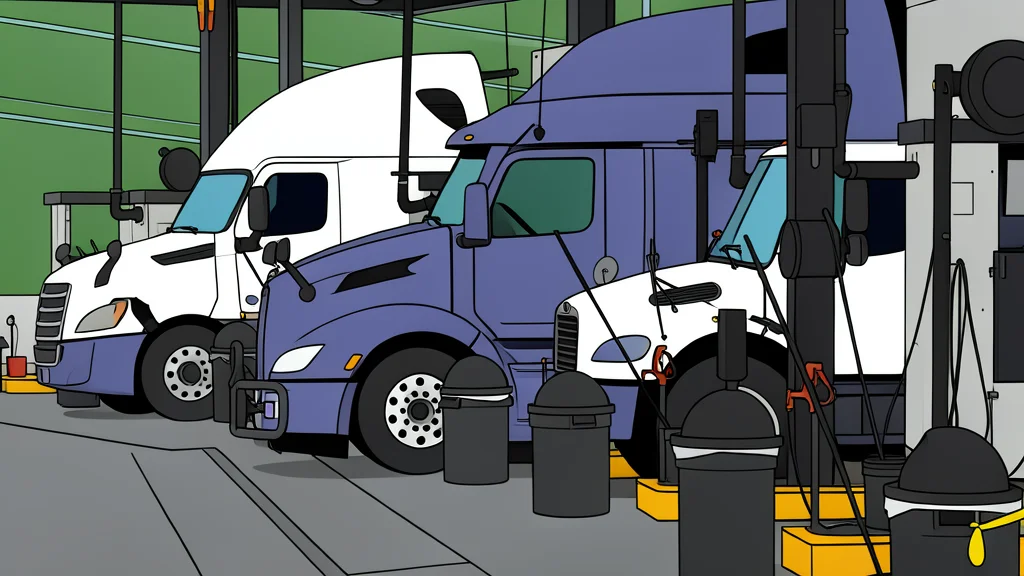
The financial impact will vary by vehicle type. Personal car owners may not feel the immediate pain. Trucking fleets using large volumes of oil face higher costs first. Drivers are advised to check their owner’s manuals. Many modern vehicles require oil changes only every 10,000 miles. This reduces the frequency of purchase needed for individual consumers. The market remains tight but manageable for private users.
Consumer impact remains limited for now
Local drivers express concern over long-term availability. Kimberly Holifield drives over 100 miles daily for work. She worries about reduced mobility if prices rise further. The current situation creates uncertainty for high-mileage professionals. However, experts maintain that immediate panic is unnecessary. The data from GN auto markets/energy: gasoline prices shows a gradual rise. This trend allows time for adjustments in consumption habits. The primary risk remains the prolonged offline status of key production facilities.