National Gas Average Hits $4.48 as Midterm Pressure Builds

The national average price for a gallon of gasoline reached $4.48 on Friday. This marks a $1.27 increase from the previous year. The spike follows a 17-cent weekly rise and a 40-cent monthly climb.
The national average price for a gallon of gasoline reached $4.48 on Friday. This marks a $1.27 increase from the previous year. The spike follows a 17-cent weekly rise and a 40-cent monthly climb. Data from AAA confirms the upward trend. Drivers face higher costs during a period when prices typically stabilize. The increase correlates directly with recent geopolitical actions.
President Donald Trump characterized the price hike as a minor cost. He described it as an inexpensive price to pay for the conflict with Iran. This statement contradicts the sentiment expressed by many voters. Working-class individuals report significant financial strain. They cite a trade-off between fuel and other essentials. The political environment is deteriorating for the administration ahead of the midterms.
Voter frustration spans party lines
Interviews in Texas and Arizona reveal widespread dissatisfaction. A 28-year-old driver in Edinburg questioned the value of the trade-off. He prioritized groceries over fuel for work commutes. A 63-year-old carpenter in Mesa criticized the leadership on energy policy. He paid $4.39 per gallon for his vehicle. Despite his anger, he remains a Republican voter. He views the Democratic Party as unstable.
A 52-year-old small business owner in Texas also noted the high costs. She attributed the price levels to consistent policy outcomes across administrations. She intends to support Republican candidates in November. Other voters plan to punish the party in power. Bipartisan frustration indicates a broad base of economic concern. This sentiment is visible in polling data across multiple states.
Economic indicators drive election sentiment
Strategists identify gas prices as a key economic indicator. Voters encounter this metric multiple times each week. It serves as a direct measure of living costs. Chris Wilson, a Republican strategist, warned against minimizing this frustration. He noted the visibility of the price at the pump. This factor is critical for working and middle-class voters. The timing coincides with the start of early voting.
The political stakes are high for the November elections. Historical data shows the incumbent party often loses seats in midterms. The current environment adds pressure from low approval ratings. An unpopular foreign conflict exacerbates the issue. The administration had promised to resolve the affordability crisis. The current price trajectory challenges that narrative. Seven weeks remain until Election Day.
Geopolitical actions impact domestic costs
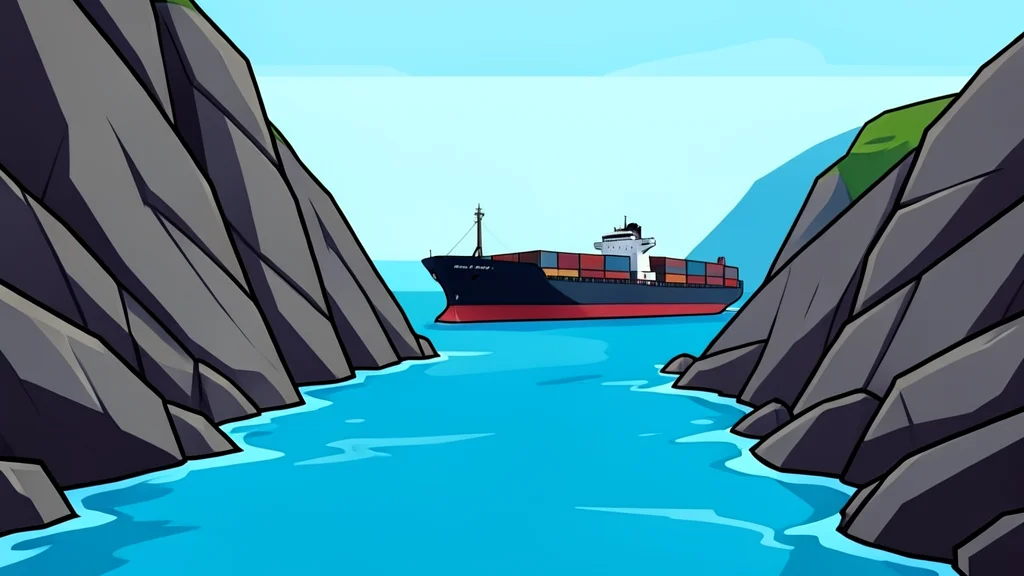
The price surge is a direct result of the war with Iran. The administration claims the action prevents nuclear proliferation. Critics argue the domestic economic cost is too high. The source GN auto markets/energy: gasoline prices tracks these shifts. The data reflects real-time market adjustments. Energy supply chains are under stress. Consumers bear the immediate financial burden. The long-term economic impact remains under observation.