US Manufacturers Face Triple Cost Squeeze from Tariffs and Rates
The cost of a single motor bracket doubled this summer, signaling a deepening financial crisis for American industry.
A small motor bracket used in industrial power saws increased from $42 to $87 in one season. This 107 percent price jump illustrates the intense pressure on US manufacturers. The cost surge stems from a convergence of tariffs, fuel prices, and interest rates. Executives report that margins are vanishing across the sector. Many firms are forced to hoard inventory to avoid stockouts. Some are passing costs directly to consumers. Others are considering structural changes to survive.
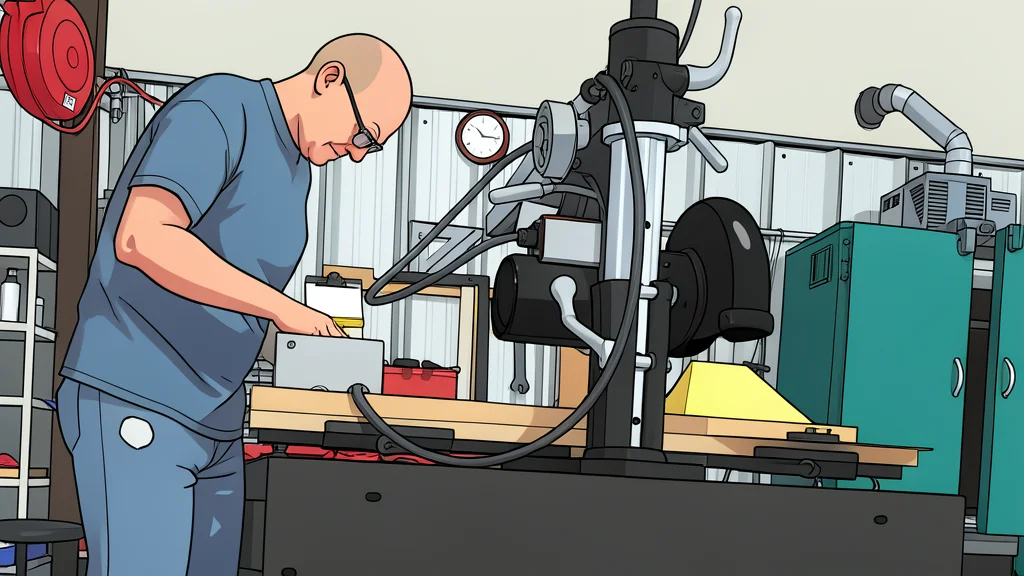
Allen Eden, owner of Original Saw Co. in Iowa, holds extra stock to hedge against future scarcity. His business employs 25 people and sells to major retailers like Home Depot. He describes the current environment as awful. The uncertainty prevents reliable long-term planning. He expects to raise prices on his saws soon. The combination of higher input costs and financing expenses leaves little room for error. This trend is not isolated to one company or region. It defines the current state of American manufacturing.
Three economic forces compress margins
Tariffs have raised the cost of raw materials and finished goods. Fuel prices have spiked due to geopolitical tensions, increasing logistics costs. The Federal Reserve has raised interest rates for the first time in three years. This makes borrowing more expensive for inventory and equipment. JPMorgan Chase analysts note that smaller firms are hit hardest by rate hikes. They rely more on short-term lending. Capital-intensive sectors like trucking and manufacturing face the greatest strain. Gregory Daco of EY-Parthenon says these sectors are first in the line of fire.
Eastman Chemical CEO Mark Costa says his industry has no room to absorb increases. He notes that price hikes are occurring faster than in the past two decades. The company produces plastics and additives for medical devices and auto parts. Home Depot CFO Richard McPhail states that energy and raw material costs offset $730 million in tariff refunds. The retailer faces pressure from multiple directions simultaneously. Uncertainty remains high as companies navigate these overlapping economic headwinds.
Auto suppliers halt US operations
The domestic automobile supply chain is experiencing severe disruption. Lucerne International, a parts maker in suburban Detroit, stopped US manufacturing operations. This move reflects the inability to compete on cost. Other firms in the sector are facing similar choices. Some are reducing headcount or shifting production overseas. The loss of domestic capacity affects local economies and supplier networks. The trend indicates a structural shift in how US companies operate. Resilience is now defined by the ability to manage volatile input costs.
CNBC reports that fewer flights and freight surcharges are becoming common. Transportation costs are rising across all sectors. Manufacturers are adjusting their supply chains in response. Some are verticalizing production to control costs. Others are seeking alternative suppliers in different regions. The goal is to reduce exposure to volatile fuel and tariff risks. This shift requires significant capital investment. It also demands new logistical capabilities. The transition period is marked by high volatility and low confidence.
Inflation remains stubbornly high
Rising steel and fuel costs are driving persistent inflation. Companies are passing these expenses to buyers in the form of higher prices. This dynamic feeds into the broader economic cycle. The Federal Reserve aims to curb inflation through monetary policy. However, the effectiveness of rate hikes is limited when supply-side costs remain high. Businesses are caught between rising costs and stagnant demand. This squeeze reduces overall economic efficiency. It also limits investment in innovation and expansion.
The situation requires a coordinated response from policymakers and businesses. Tariff adjustments may be necessary to lower input costs. Fuel price stability is critical for logistics planning. Interest rate policy must balance inflation control with business viability. Without these adjustments, more firms may exit the market. The loss of domestic manufacturing capacity could have long-term consequences. The current environment tests the resilience of the US industrial base. Outcomes will depend on adaptive strategies and policy changes.